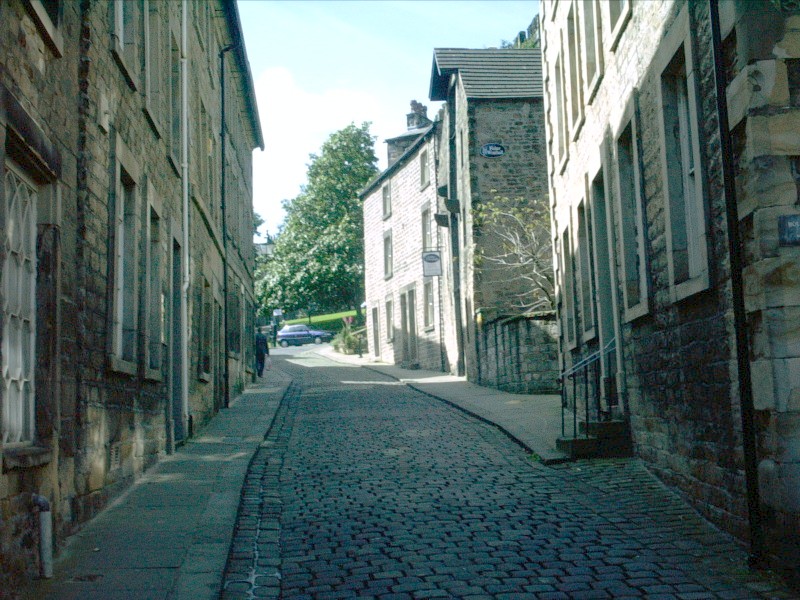
On Monday 20th June, the Brindle Historical Society hosted speaker Christopher Robson who talked in considerable detail about Waring and Gillow and the tradition of English furniture making. The audience were told of Robert Gillow, a cabinet maker from Singleton in the Wyre valley, who in 1731 began making furniture in a premises on Castle Hill, Lancaster making use of fine mahogany and walnut which had begun to be imported from the West Indies.
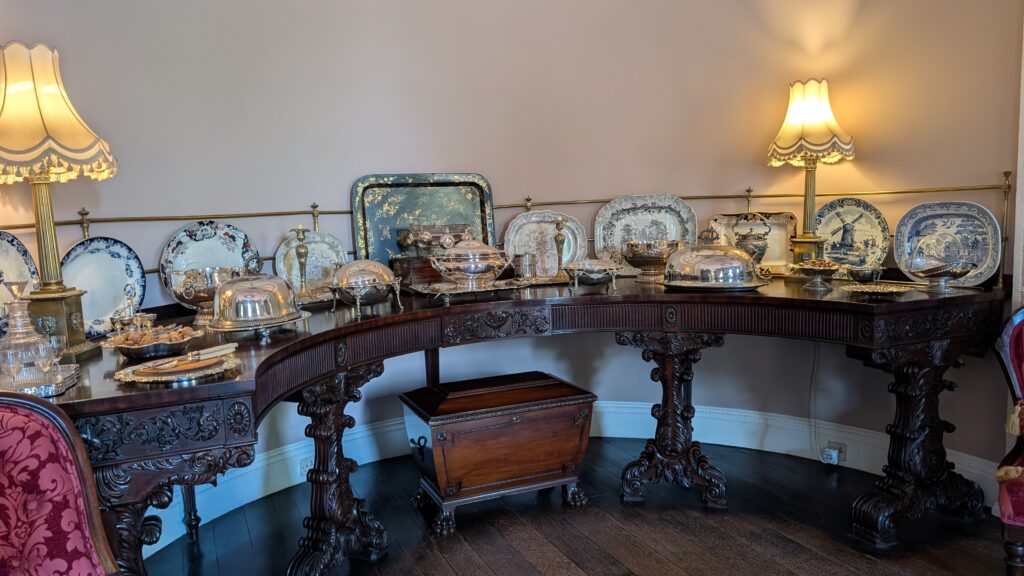
Robert had several children, including a son, Richard, who, although trained as an architect, became a partner in the family firm and the Gillow company continued to grow in status. James Gillow, a cousin who lived in London, designed furniture at this time but had no qualms about copying popular designs from such firms as Chippendale, Hepplewhite or Sheraton. Gillow took these designs, and their fine craftsmen produced high quality furniture which was exported around the world, mainly to countries in the British Empire.
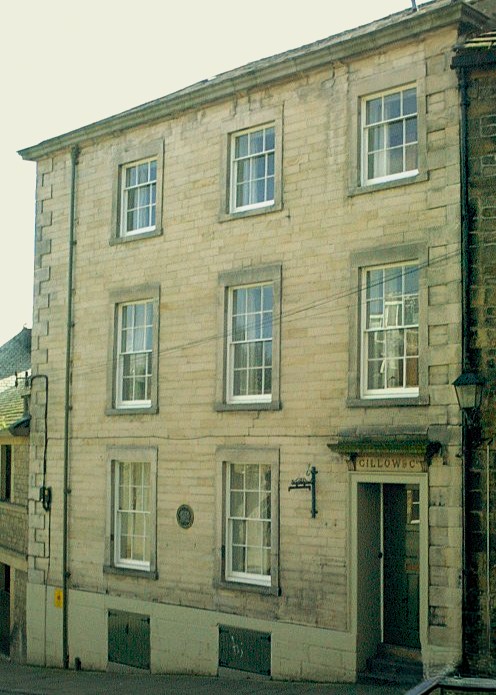
Towards the end of the 19th Century, the firm began to experience financial difficulties, experiencing severe competition from chair manufacturers in High Wycombe and also from the new American mass-produced furniture which began to be imported. Gillow moved out of their Castle Street premises in 1882 and in the following years a series of poor decisions were made and several business opportunities missed. In 1893 Samuel Waring was tasked with opening a branch of his family furniture business in London and four years later took over Gillow who still employed fine craftsmen. Thus Waring and Gillow were formed and the newly named firm produced good quality yet practical furniture aimed at the middle classes. Under Waring’s management, Waring and Gillow helped manufacture aircraft in the Great War, but following his death in 1940, the company gradually lost its focus and, facing increasing competition from the likes of Terence Conran, finally closed the Lancaster workshop in 1961.
Leave a Reply