On Monday 16th October, the Brindle Historical Society welcomed James Hutton from the Commonwealth War Graves Commission who explained about the work of the Commission. It was founded by Sir Fabian Ware who commanded an ambulance company in the First World War and was very upset by the number of unmarked graves he came across. He felt that all people who died in wars should be formally recognised and he set about lobbying the authorities to turn his unit into a dedicated team for the dead. What ultimately became the Commonwealth War Graves Commission had three founding principles:
- All the war dead should be commemorated by a name on a headstone which
- should be a permanent structure and
- should be uniform with no distinction between rank or status
Consequently, headstones now have a standard layout and all contain: regimental unit or service badge; service particulars (name, rank, number, and service); date of death; age; religious emblem (optional). Some early headstones could have a personal inscription (paid for by relatives at a cost of 3½d per letter) but these were soon discontinued. Although very similar, there are slight variations in style of these headstones across the world to ensure that they blend in with the local environment.
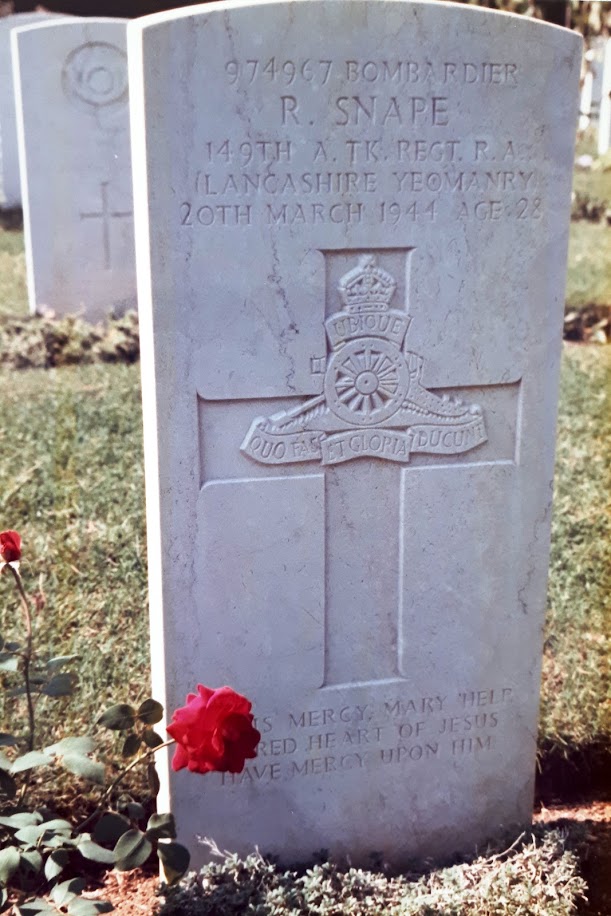
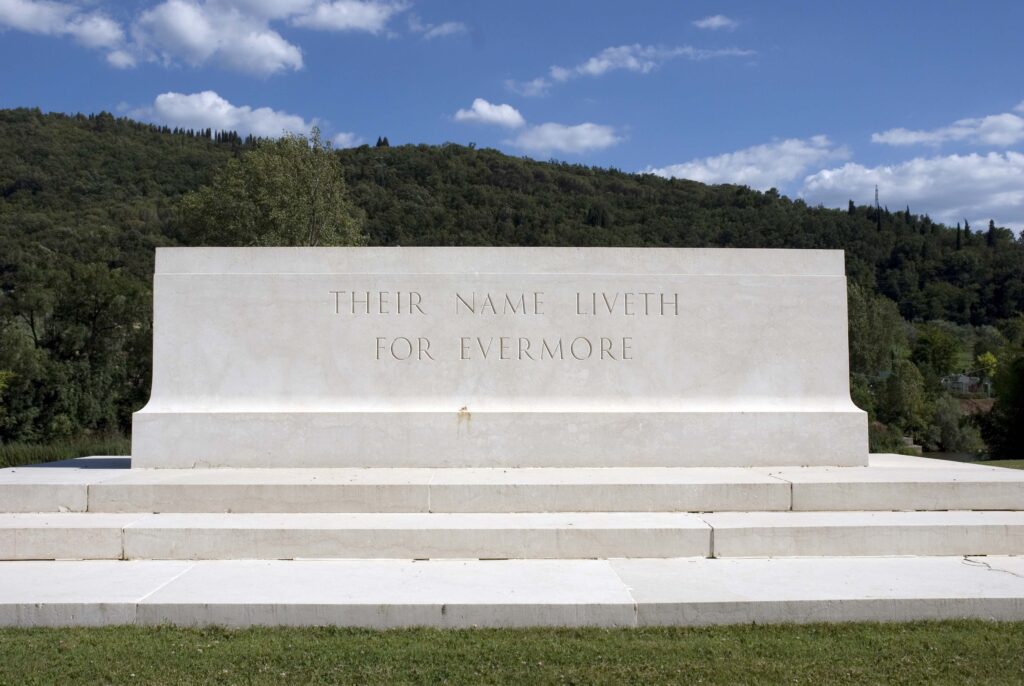
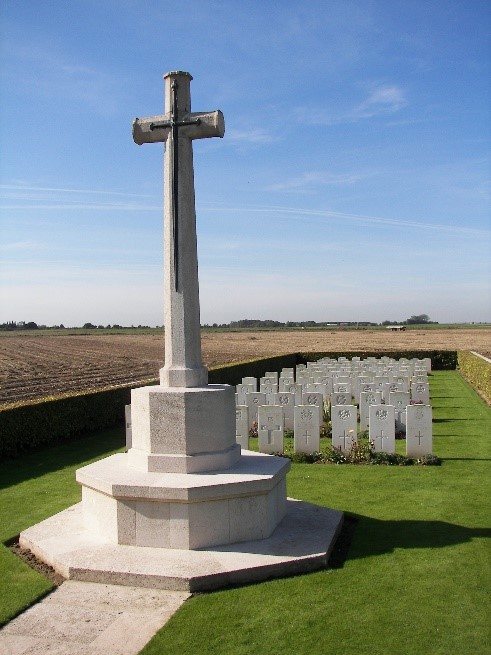
In addition to the individual headstones, many cemeteries had a commemorative focal point to tie the multitude of graves together as one shared sacrifice. This was the Stone of Remembrance. Amid concerns that this was too secular, the Commission also devised the Cross of Sacrifice for majority-Christian cemeteries.
The numbers of commemorations are staggering with 1.2 million in Europe, 270,000 in Asia and 162,000 in Africa and over 46,000 across the rest of the world.
The work of the commission is ongoing in maintaining the cemetery grounds and repairing/restoring the masonry. The funding is shared proportionally depending on the number of memorials, although the UK pays the largest share of 78%.
We were left with one fascinating statistic. In all the years from 1688, there was only one year when no serviceman was killed on active service. That year was 1968.
Leave a Reply