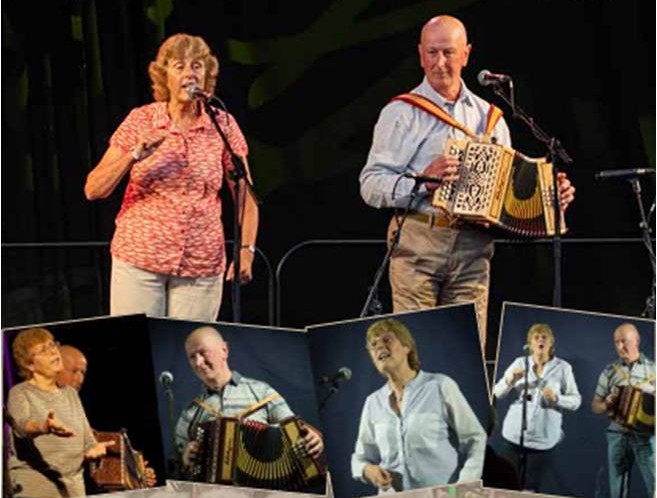
In May the society hosted Peter and Barbara Snape who entertained us with songs and stories which brought to life the circumstances endured by working class people in Lancashire not so long ago. Peter and Barbara have a keen interest in traditional English music and tonight Barbara sang several folk songs accompanied by Peter on a melodeon which told stories of the lives of local people from the 1800s. By 1816, Manchester had 82 steam-powered factories mainly processing cotton and the Industrial Revolution was at its height. This transformation had divided Lancashire between the mainly rural North and the heavily industrialised South and the music of the labouring classes also changed from singing pastoral songs associated with countryside activities to the more gritty lyrics about factory life.
From 1840, as the markets matured, the region underwent an economic recession, and many of the songs began to reflect this in their words. The Spinners Lamentation was a typical ballad of the period along with many other songs which described life in the mills and factories. In the 1850s, the songs began to describe the difficult conditions endured by Preston workers after they went on strike to protest an imposed 10% pay cut. Soon after this, the American civil war detrimentally affected cotton production, and as the ‘cotton famine’ took effect in Lancashire, many workers were laid off at the mills. To try to counter this, many labourers were offered work creating new public parks which were being set up as labour projects. Avenham Park in Preston is one such area which many will be familiar with.
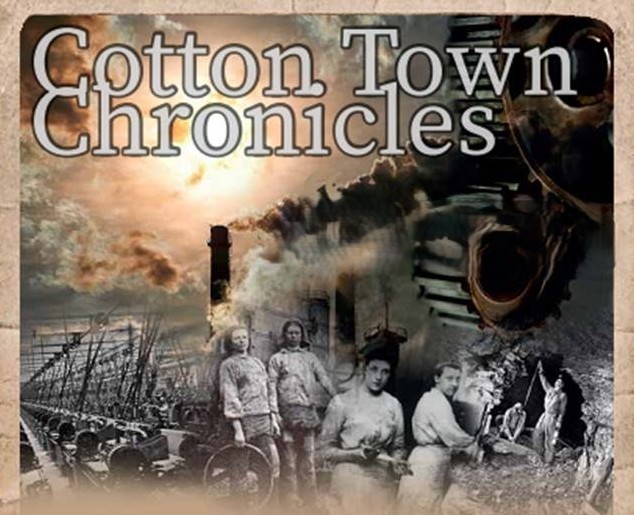
The work in the factories was noisy, hot and hard and involved long working hours. However, in the mid 19th century, wakes weeks were established where factories would close for a period in the summer months and many workers would head off to the seaside. Barbara sang many songs which reflected these changes over the years and the lyrics were often very poignant. Many hundreds of ballads were printed as street literature and sold on the streets as ‘broadsides’ printed on a single sheet of paper. The music was not usually written down, however, and the performers would sing the words to popular melodies already known. Overall, the many members and guests had a thoroughly entertaining and educational evening, learning through the songs a great deal more about the conditions endured by people from this region not too many years ago.
Leave a Reply