In 1922, the father of Eric Duckworth, a soldier killed in the battle of Gallipoli, carried an oak sapling from Rochdale to Turkey where it was planted as a memorial to his 19-year-old son. A century later, this lone oak continues to grow amid the dry earth that once played host to one of the most controversial military campaigns of the Great War.
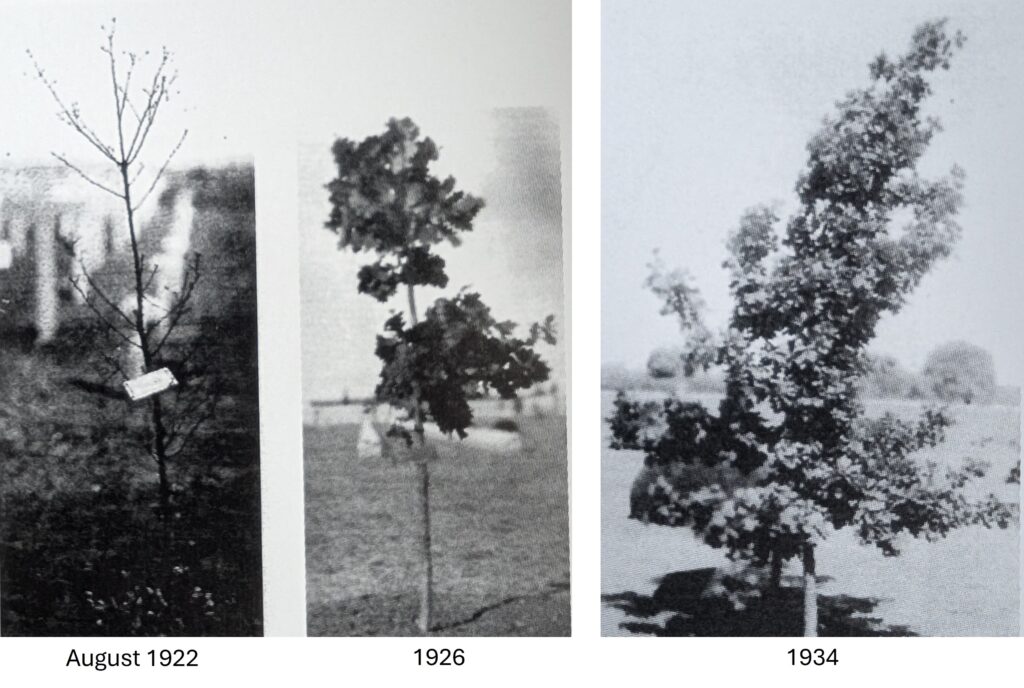
Rather than simply relating the details of this fascinating story to members of the Brindle Historical Society, on Monday 20th March, Martin Purdy talked about the Gallipoli legacy, highlighting aspects of the battle which still resonate today.
Martin then went on to highlight how contemporary reports from the same battle came to be written in widely different ways depending upon their intended audience. A soldier’s postcard to his mates back at home may be full of bravado and derring-do whilst an officer’s report to his regiment may be factual, but devoid of any emotion. Finally, a young soldier writing in his personal diary may admit to his terror and his longing to be home safely with his family. Historians must be aware of these varying audiences and take care not to bias any historical account by favouring one type of account over another – they are all true.
He explained how historians need to be aware that in any account, there will be several versions of the ‘truth’. Each of us experiences the same thing from a different perspective, and from that arises a different appreciation of the context of any event. So for the Australians and New Zealanders (fighting together for the first time under the term ANZAC – Australia and New Zealand Army Corps), they see the battle of Gallipoli as a high point in their history, even though the battle was lost. Their narrative explains that it was the British who lost the battle, despite the best efforts of the ANZAC forces. This has shaped the way their citizens have viewed both their past and their understanding of the present. Today, ANZAC day (25th April) is seen more as a celebration than a memorial.
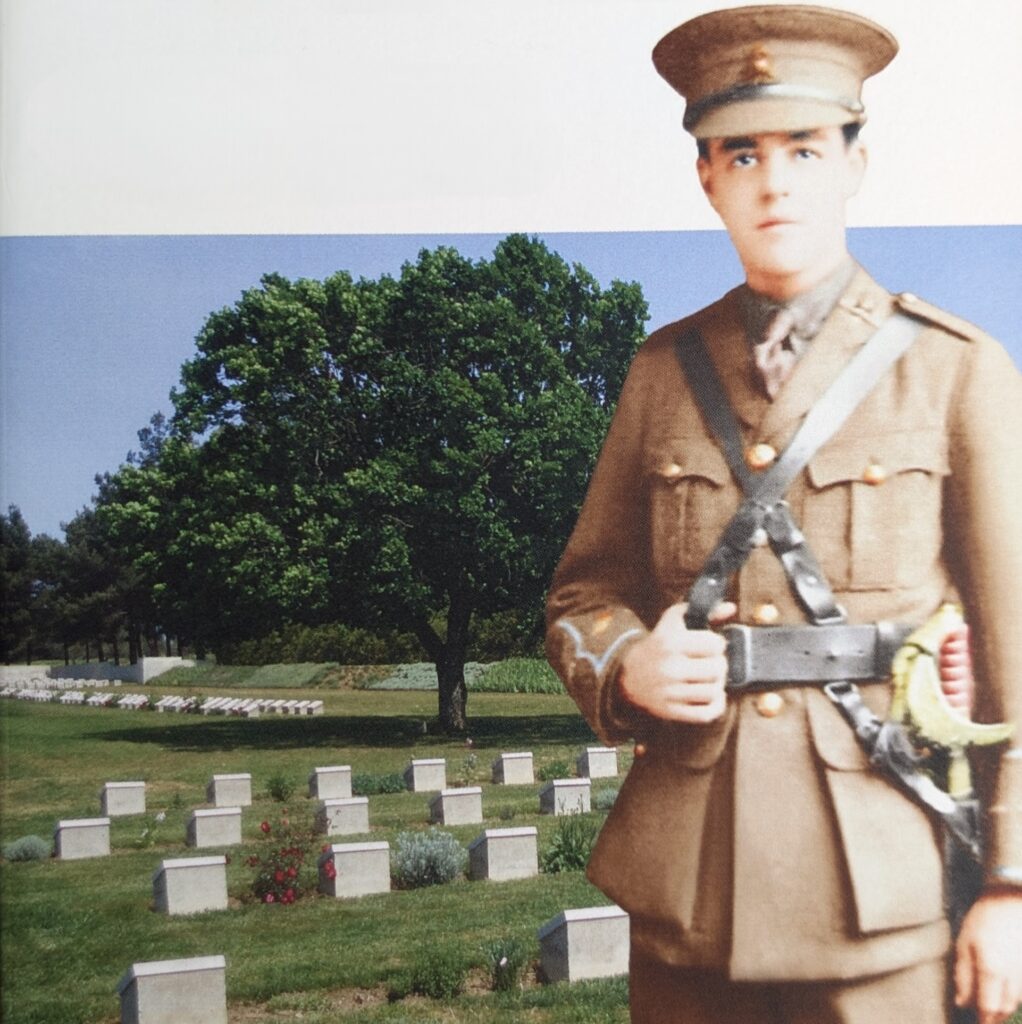
When discussing evolving legacies, Martin explained that certain things catch the public’s imagination and then become widely publicised and this may influence any future reporting of the event. Far more Australians and New Zealanders visit Gallipoli than British, even though more British soldiers perished there. The Gallipoli Oak, having reached maturity, is now a symbol which is beginning to focus the eyes of visitors onto the sacrifices made by British troops at that time and may begin to reverse the legacy that the battle was just an ANZAC event.
Leave a Reply