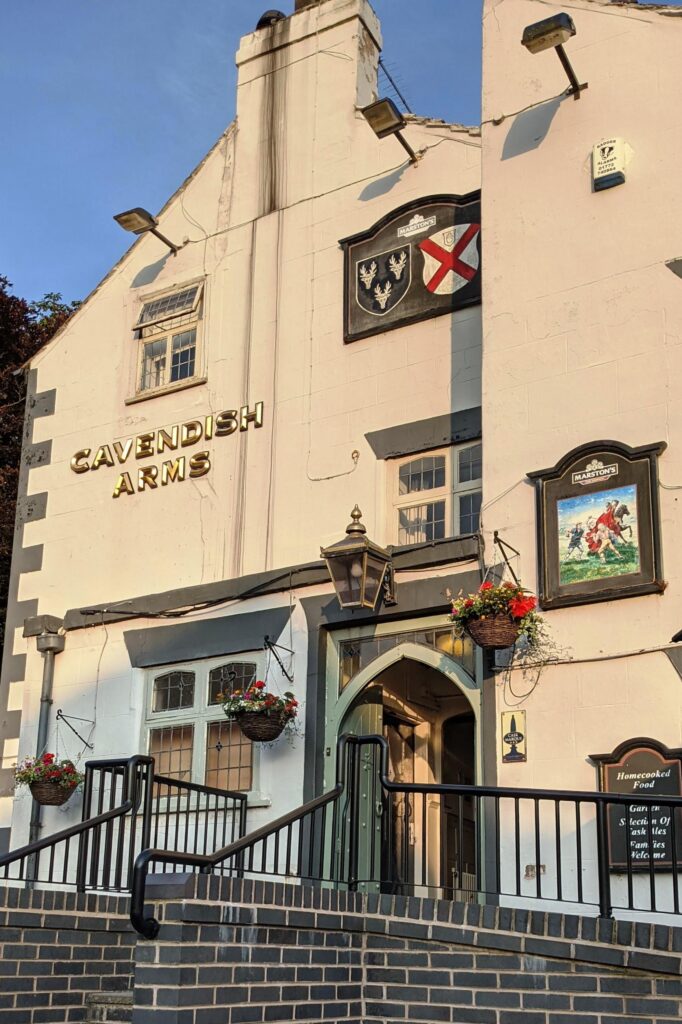
In November, Darren Cranshaw, the Society’s own archivist, explained the history of the Brindle Estate and also how the Cavendish pub got its name. Darren was well placed to give this talk, since his family have been tenants on the estate for four generations. He began by noting how history is constantly evolving since he gave a talk on the same subject 21 years previously, but then we met in the old Village Hall which is now consigned to history.
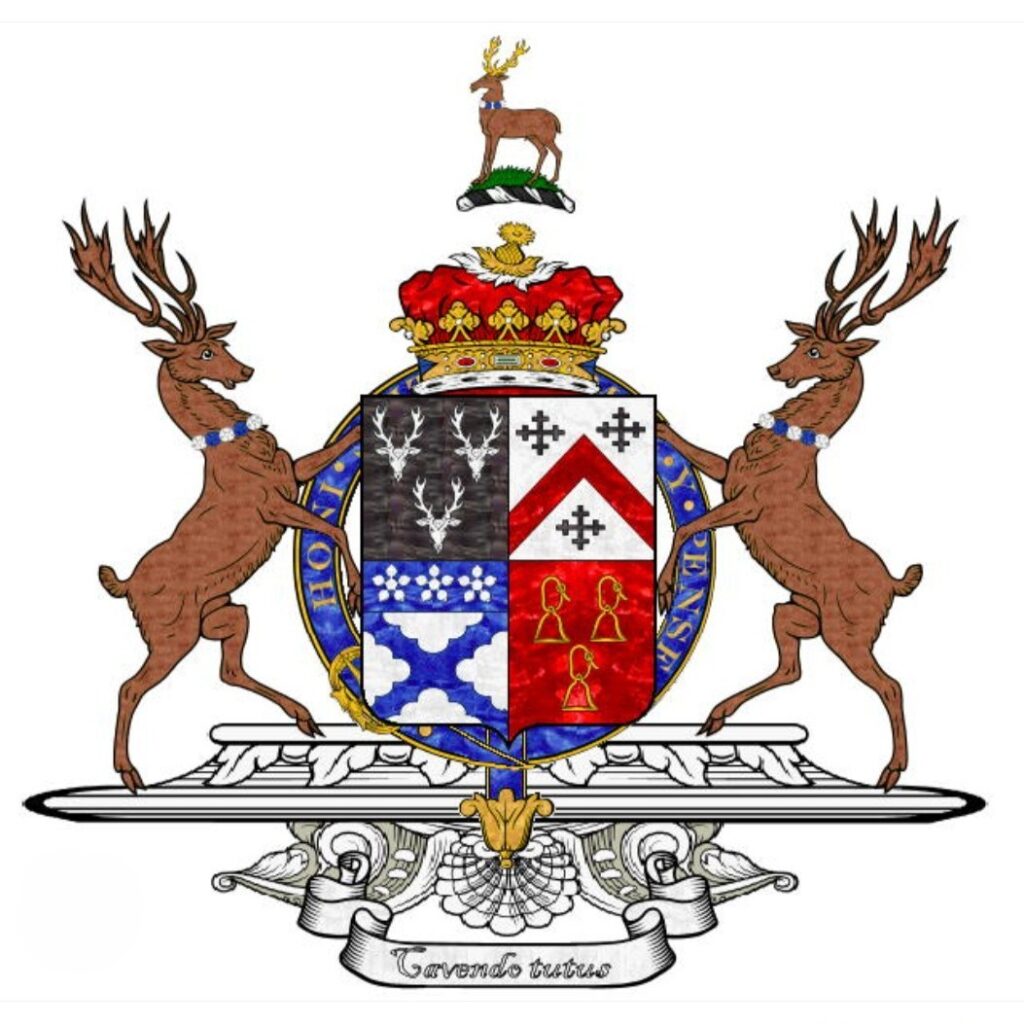
Land as part of the Leyland Hundred was originally granted by Henry III around 1200, and by 1473, Peter Gerard was identified as holding the manor of Brindle. In 1541 in defiance of the King, the catholic Thomas Gerard was supporting two priests in Brindle. At the same time, Bess of Hardwick, one of the country’s wealthiest and most powerful women, owned around 100,000 acres of land and to demonstrate her wealth, she built Chatsworth House and later Hardwick Hall in Derbyshire. Mary Queen of Scots was held captive in Hardwick Hall, and in trying to free her, Thomas Gerard was sent to the Tower of London in 1582. Whilst Thomas was banished, Sir William Cavendish, Bess’s second husband, “purchased” the Brindle estate through dubious means and for the next 250 years, the estate was passed down through the Cavendish family who became the Earls of Derbyshire.
In 1611, an extremely detailed survey of the estate was commissioned which showed that it covered a very similar area to the current parish of Brindle. The survey listed farms, fields and cottages and named all the tenants and many of the names are still found in the village today.
In 1819, the Brindle estate was transferred to a minor branch of the Cavendish family who also owned Holker Hall and Baron Chesham from Buckinghamshire was still the owner in 1915. In 1919, however, the estate was offered up for sale and considerable portions of land were sold, much of it to the de Hoghton family.
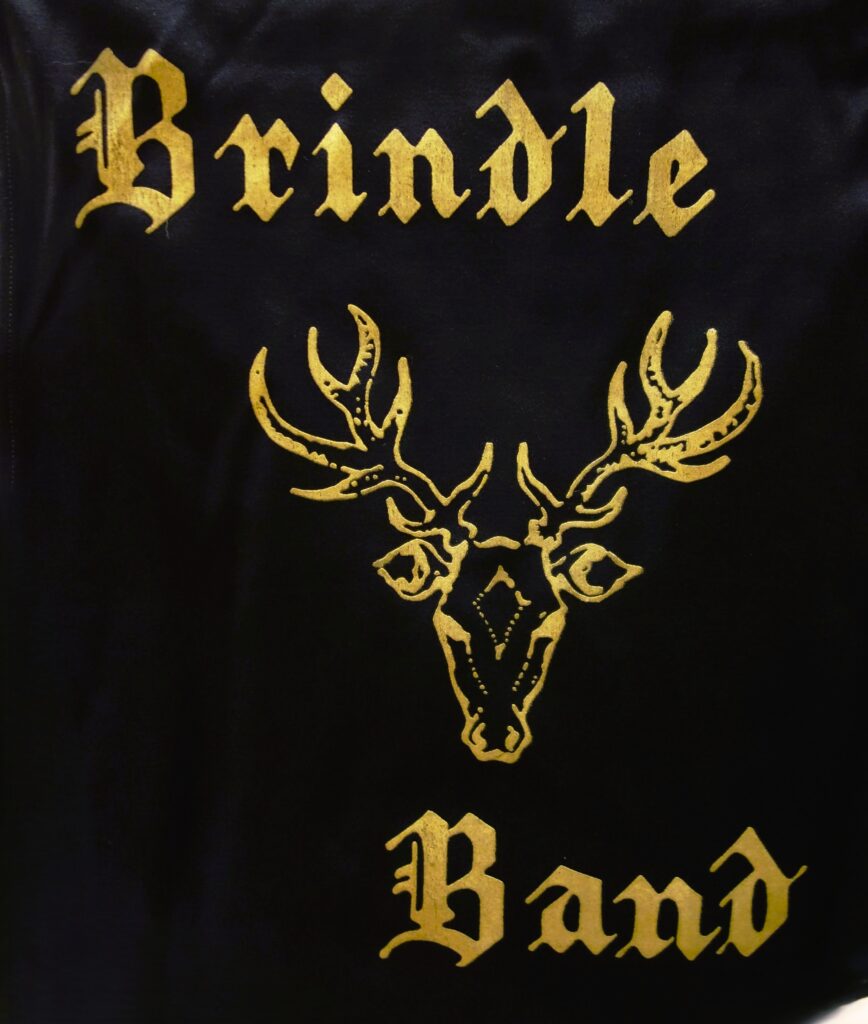
Since then the estate has remained largely intact. Lord Chesham was a good landlord visiting Brindle several times and was proactive in building the Parish Institute in 1923 on the site of the current Community Hall. The Cavendish Arms was clearly named for the Cavendish family, but prior to that was known as the Devonshire Arms, and even at one time as the Three Stags after the Cavendish family coat of arms. Brindle Band still use a stag’s head on their insignia.
In the 1950s the estate was offered to each of the tenants at a price of eight times their annual rent, but no-one could afford that outlay. Instead of being broken up, a lady called Patience Aspinall bought the entire estate for £54,000 with money she acquired through selling the mines she owned around Burnley when they were nationalised. Patience died in 1985 and the estate passed to her sister Ruth who owned a publishing house and also wrote romantic fiction. Huggart’s Farm and Wilcock Cottage were sold at that time to pay death duties. Miss Aspinall visited Brindle each year from her home in Cornwall and took a keen interest in the tenants and their farms. She had no children, but named her godson, William de Hamil, as her heir and upon her death in 2012, Willliam moved into Lady Hall Farm off Marsh Lane and has been very supportive of the estate since then. He recently moved back to his home in New Zealand but not before instructing that the farm at High Cop should be redeveloped as three dwellings to be let for a peppercorn rent to Brindle residents. These will effectively become the first alms-houses built in the UK for around 200 years.
The Brindle Estate currently comprises around 1,200 acres (down from 4,000) and is now run by land agents on behalf of William de Hamil.
Leave a Reply