Monday 16th March –
In one of the most fast-paced and fascinating presentations in March, presenter Adrian Tayler kept his audience enthralled throughout the 75-minute talk. Although theatres existed in ancient Greece and Rome, theatre in the UK only began to flourish from the late 1500s, led by figures such as William Shakespeare, Christopher Marlowe and Ben Jonson. Early theatres were based in London, while travelling groups, known as strolling players, performed at venues elsewhere around the country. These performers had a poor reputation and were often described as rogues and vagabonds.
Theatres were closed in 1642 by Oliver Cromwell’s puritan government and only reopened in 1660 under King Charles II. For the next 75 years theatres developed organically, but by 1737 some comedy plays were considered to be very rude and uncomplimentary of public figures. Sir Robert Walpole sought to end this by bringing in the Theatre Licencing Act whereby all plays needed to be vetted by the Lord Chamberlain, a system of censorship that lasted until the 1960s.
The second half of the talk focused on the Lancaster Grand Theatre, which opened in 1782. Despite changes in ownership and periods of difficulty the theatre remained open but passed through many different owners until Henry Wilkinson bought the building in 1884. He presented many excellent performances and was even one of the pioneers of film presentation (which were then called animated photographs). In 1908 a fire severely damaged the auditorium but the interior was completely refitted in just five months for £4,000 (perhaps £600k today) and the results can still be seen today.
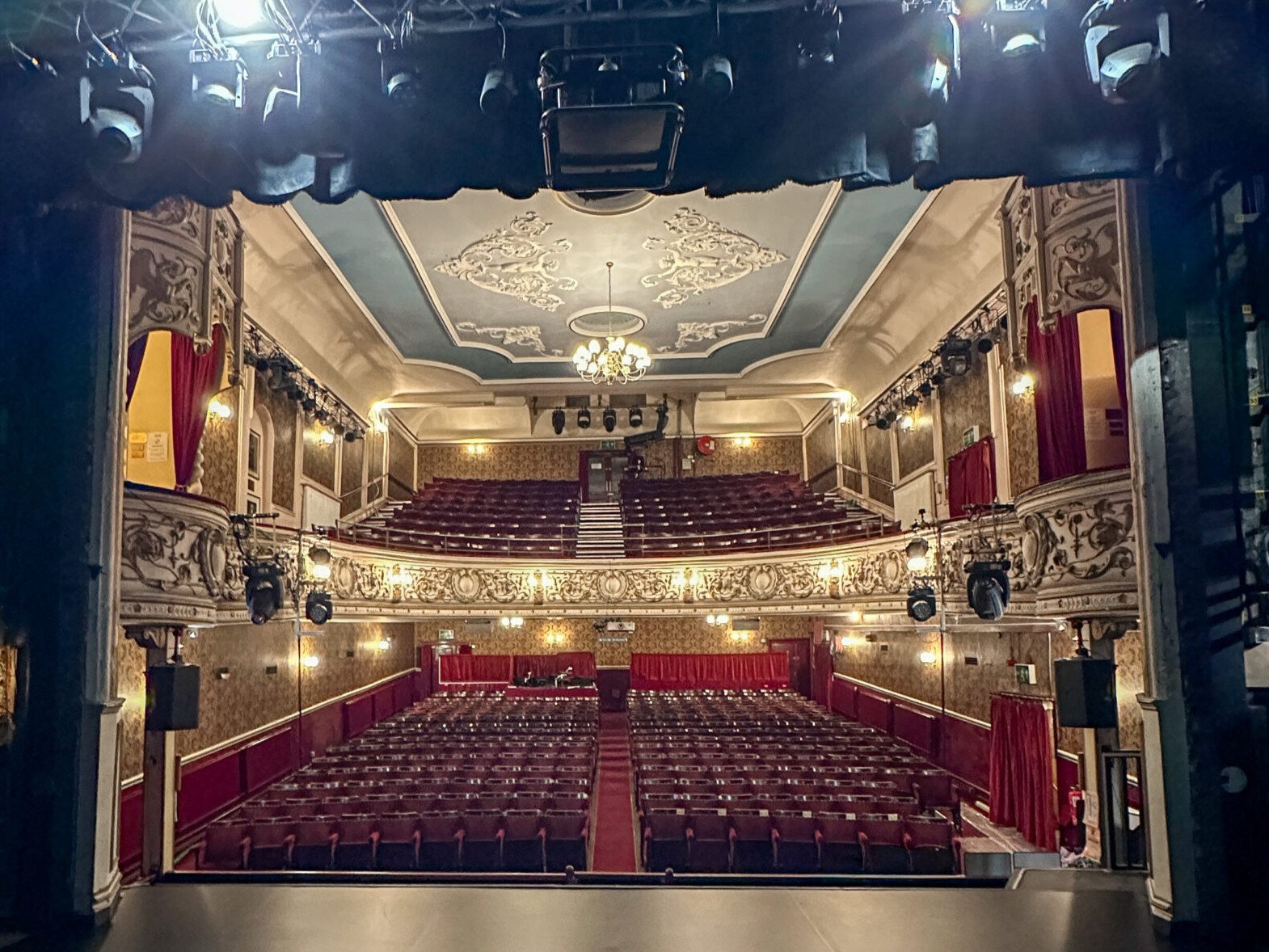
After 1930, the theatre became a cinema, although amateur productions were also performed there. In 1951 when closure was proposed, local drama groups raised funds to buy the building, and it remains owned by a charitable organisation, the Lancaster Footlights.
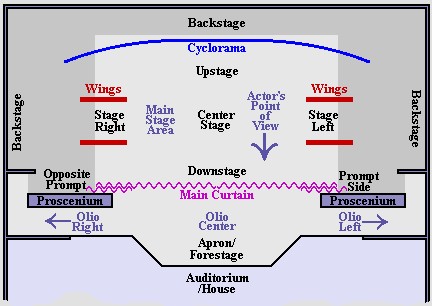
Towards the end of the talk, Adrian explained many theatrical terms which have now entered common parlance such as ‘upstage’, ‘on cue’, ‘in the limelight’ etc. and went on to describe key features of theatre design such as the proscenium arch, fly tower, and fourth wall leaving the audience very well informed and with few questions.
Leave a Reply