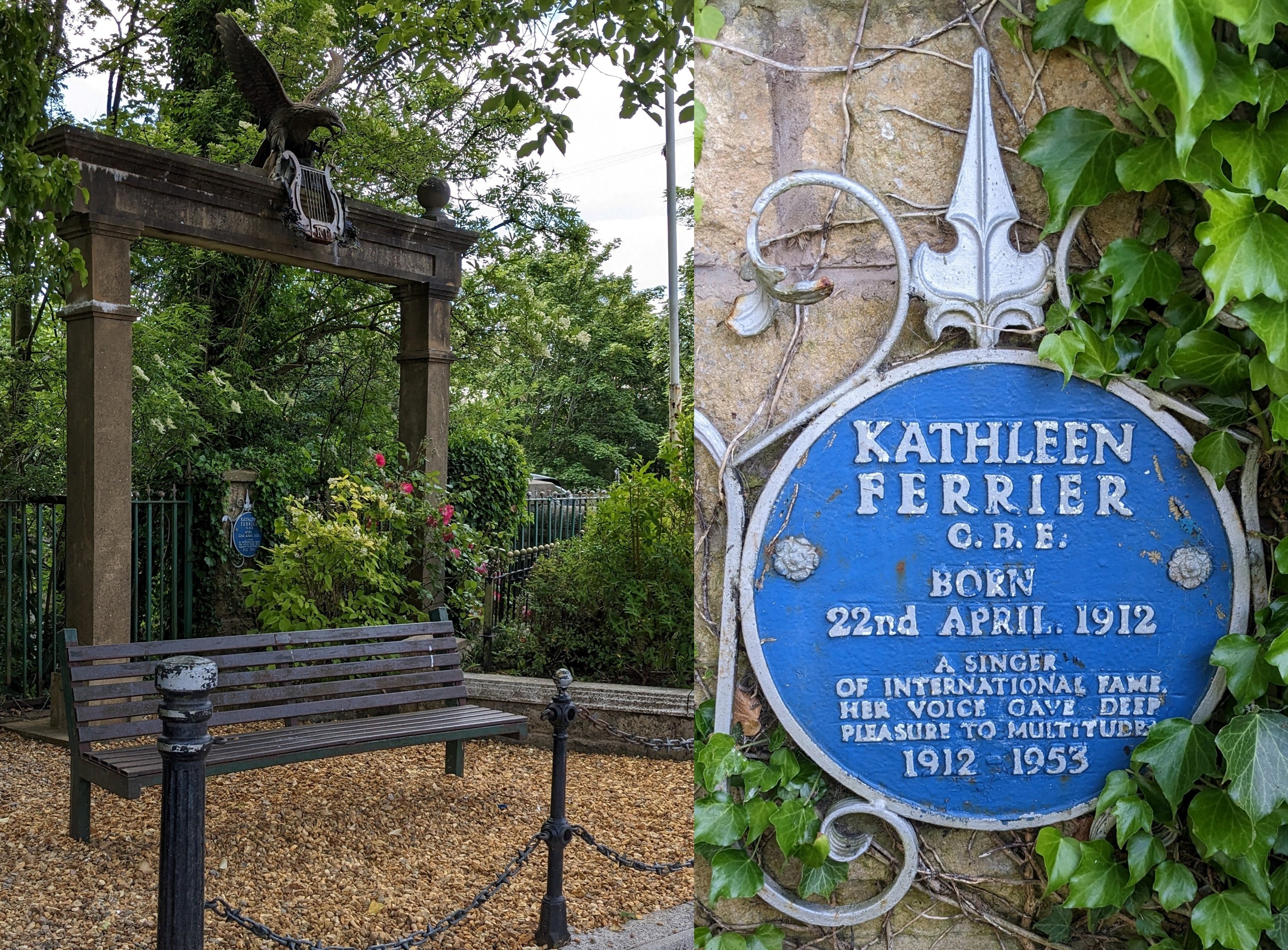
The first meeting of the Brindle Historical Society since the summer break was on Monday 18th September when we welcomed Robert Langstaff, the chairman of the Kathleen Ferrier Society. Born in Higher Walton in 1912, Kathleen was one of the world’s great singers from the last century. Robert talked about Kathleen’s life and also played several musical extracts by her. She attended Blackburn High School for girls where she was invited to join the choir and since she had a very loud and deep voice, she was asked to stand at the back! She initially trained as a pianist, passing all the grades by the age of 14, which was unprecedented.
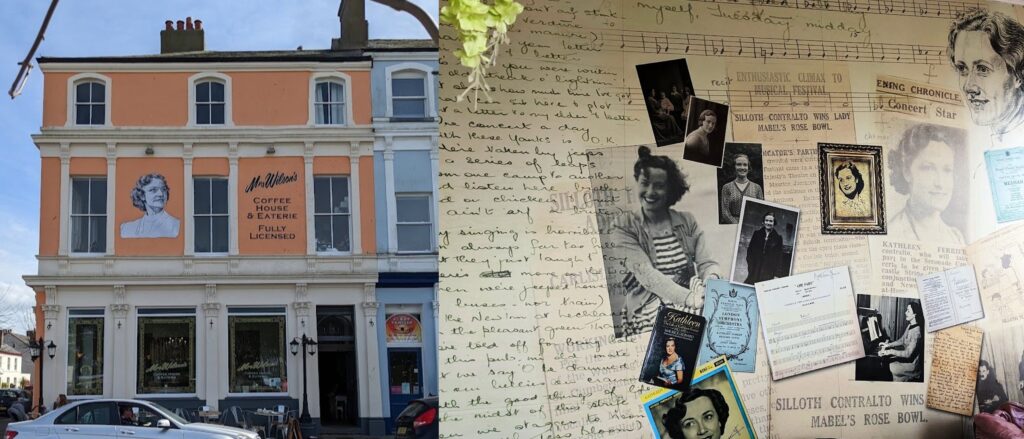
In 1935 she married a bank manager and moved with him to Silloth on the Cumbrian coast where she taught piano to local people. She entered the piano section in the Carlisle music festival, but her husband bet her one shilling that she wouldn’t enter the singing section. Never one to pass up a bet or a dare, she entered, and not only won the contralto section, but also the ‘Best Singer of the Day’ award. This launched the next phase of her musical life where she sang at many festivals and began to achieve national fame.
During the war years, she toured the country singing in theatres, schools, church halls and factories and once even on a punt on the River Trent! Her regular accompanist, Gerald Moore, reported that Kathleen had tremendous stage presence and authority and although she became nervous before a performance, she was never frightened since she had a wonderful technique. She turned professional in 1949 and began touring throughout the world at a time when travel was difficult and in those days, even famous opera singers had to make their own arrangements.
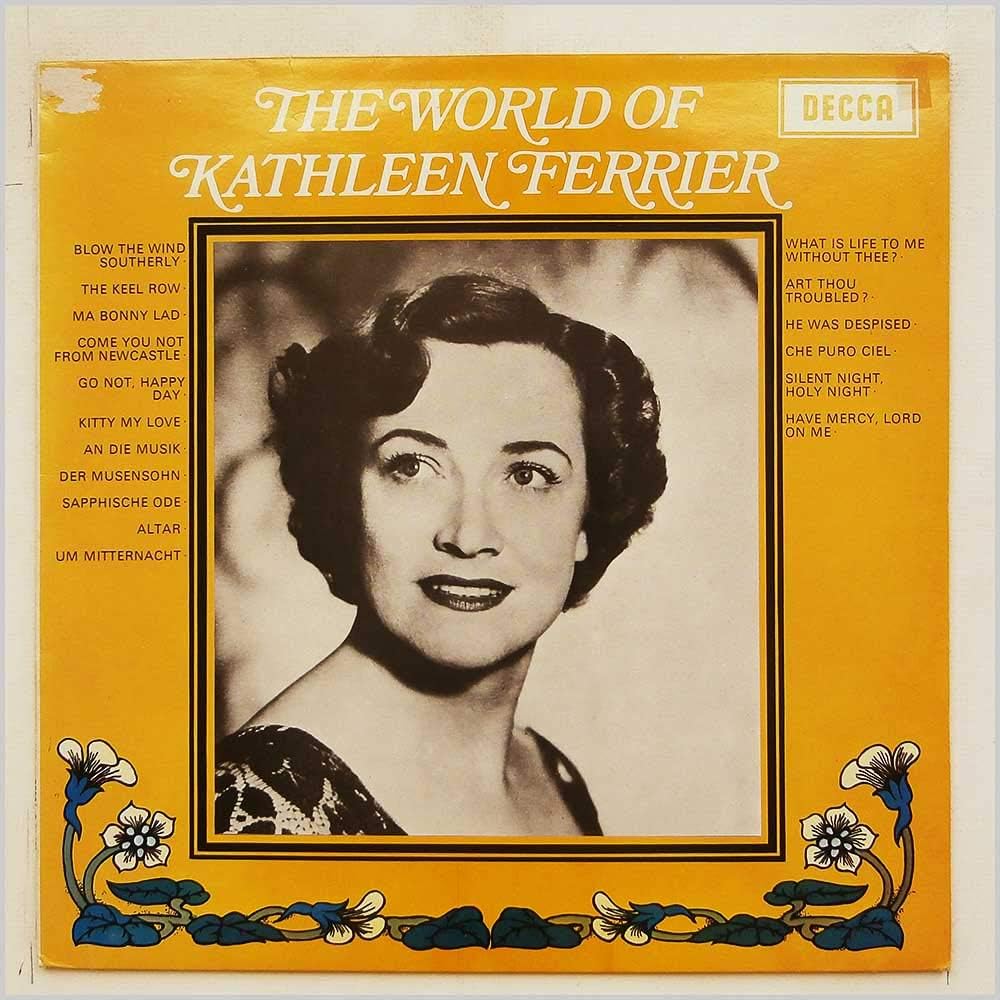
In 1951 she was diagnosed with a malignant breast tumour but following treatment, she continued touring. She collaborated with Bruno Walter and between them, they helped to popularise the works of Mahler. It is said that the combination of Ferrier, Walter, Mahler and the Vienna Philharmonic Orchestra provides one of the best and most powerful experiences in classical music.
Throughout 1952, she continued to work interspersed with periods in hospital, but she never lost her enthusiasm. She was still in great demand towards the end of her short life, but she became unable to deliver due to her illness. However, hers wasn’t a tragic life: in ten years of fame she achieved much more than most people and Bruno Walter said after her death; “She should be remembered not with sadness, but in a major key”.
The large audience at the Historical Society meeting had plenty of questions for the speaker after the talk since several members had fond memories of this great local singer.
Leave a Reply