I have a confession. Whilst I thought I knew what the Home Front was, I hadn’t appreciated what it actually meant until the Brindle Historical Society meeting on Monday 20th October. Just in case you are as ill-informed as me, I’ll explain.
The First World War was more than just a military war; for the first time, the whole of society had been mobilised, not just soldiers and weapons production. Now that everyone was involved, the term Home Front embraced those of the population left at home to keep the soldiers fed and armed, and to ensure that there was still a recognisable society for them to return home to. Much of these activities fell to the women, and the speaker, Keith Vernon (Honorary Principal Lecturer in History at the University of Lancashire), focussed on this aspect, explaining how new opportunities arose for women who previously were only seen as mothers and home-makers.
Keith used his specific and extensive knowledge of WW1 history to explain in simple terms how society was changed by the horrific events of a century ago. The new opportunities for women arose largely because the men left to take up arms, leaving women to do the work the men no longer did. Tasks still included the traditional female roles (preparing food and nursing the sick) but now also encompassed munitions work, public service and administration.
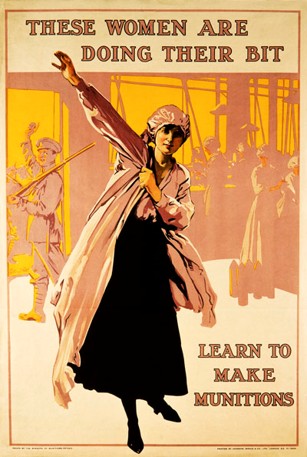
Women had long been involved in public service work, but now they were seen in positions of some authority such as post mistresses, cab drivers or firefighters and in administrative roles more women became the decision makers. Whilst munitions production was traditionally a skilled role, the shortage of workers led to the ‘dilution’ of tasks where once technical roles were broken down into smaller, simpler activities requiring less skilled input.
Women’s leisure was significantly affected since for the first time many young women found themselves away from home, earning their own wages and having some autonomy over their lives. One consequence of this was the establishment of clubs and societies such as the famous Dick Kerr Ladies football club.
Not all changes were positive, however. Many women had to endure the loss of their menfolk or needed to care for disabled family members for years afterwards and so while some gained new opportunities and freedoms, these came alongside great emotional and social burdens.
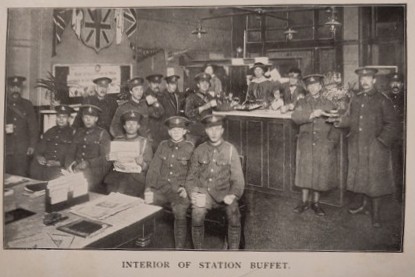
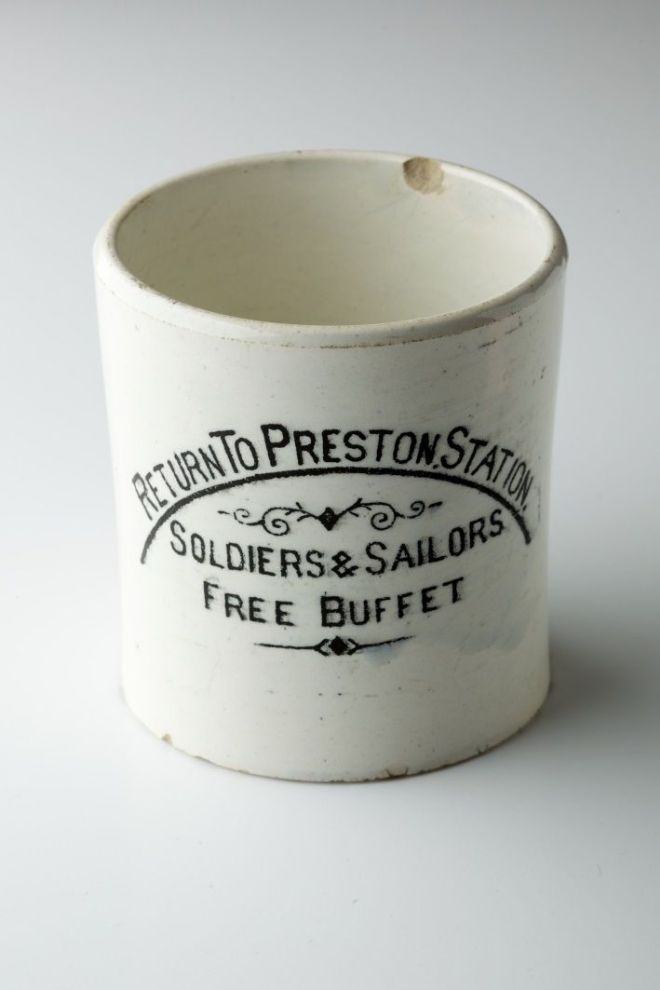
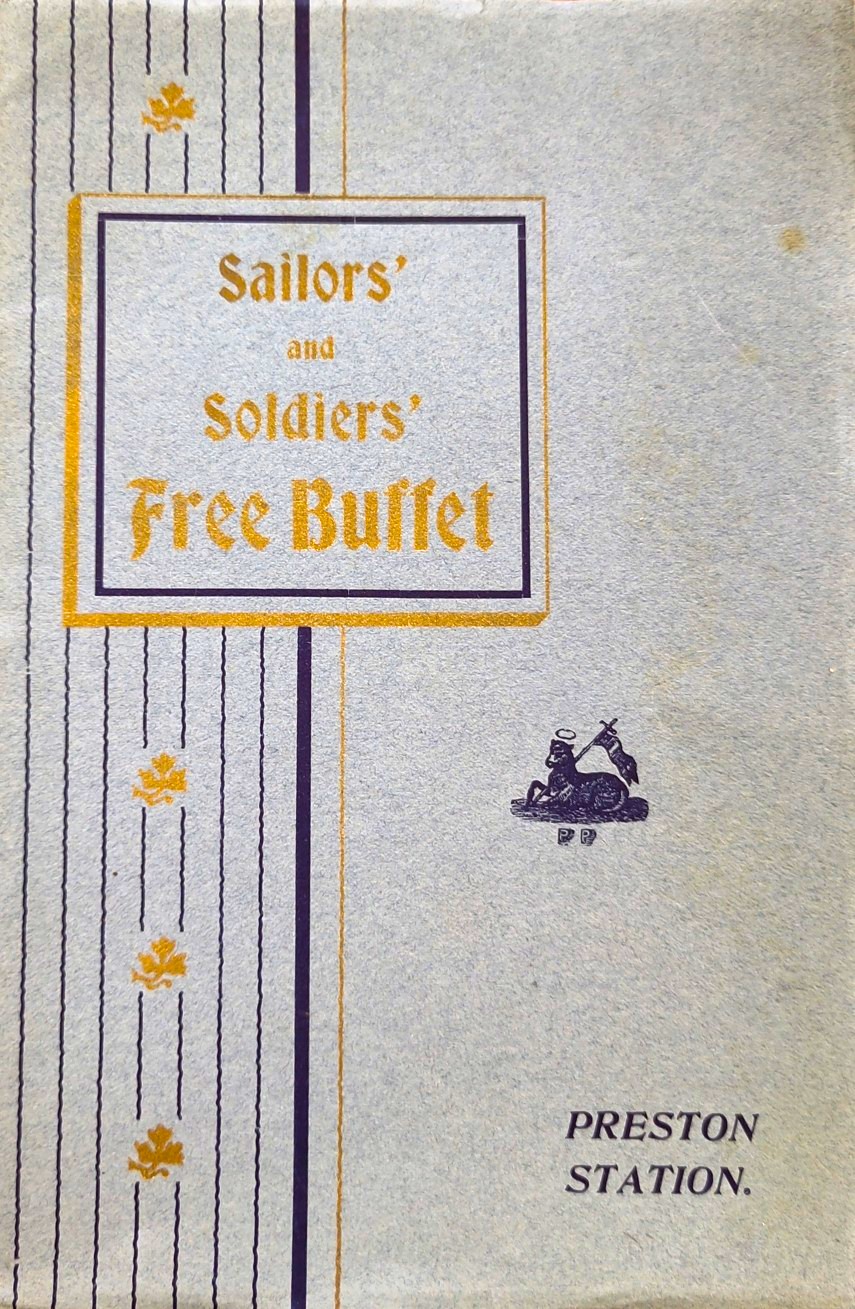
A specific action that combined traditional female roles and the new authority women were assuming was the establishment in Preston of the Sailors’ and Soldiers’ Free Buffet at the railway station. This was started by female volunteers in August 1915 and continued throughout the war operating 24 hours a day for over three years. The buffet grew from providing tea to 386 men on the first day to serving almost 12,500 men in 36 hours just before Christmas in 1916! The women had organised a rota of 300 – 400 volunteers who provided free tea and refreshments to service personnel passing through the station. The women even devised a system of ensuring that men who used the area to catch up on sleep were awakened in time to catch their train.
The many legacies of all this disruption led to a profound change in society over the next few years. Women had proved what they could do and the genie was truly out of the bottle. Many lessons learned during this period of rapid change were also adopted in the 2nd World War (which happened all too soon afterwards). The Home Front, the Land Army and rationing were all new concepts from the Great War which were developed and re-used to good effect two decades later.
Leave a Reply