Earlier

Talks held prior to 2022

  • Technological dead ends – Dr Dave Southall

    No-one was quite sure what the talk from Dr Dave Southall would be like prior to his visit on Monday 15th November.  It was entitled “Technological dead ends – ideas which have gone nowhere” which sounded promising, but the organisers were concerned that a talk from a professor of Electronic Engineering at the University of Manchester might be a little too technical.  We needn’t have worried, because from the first sentence, it was clear that this was going to be a very entertaining evening.
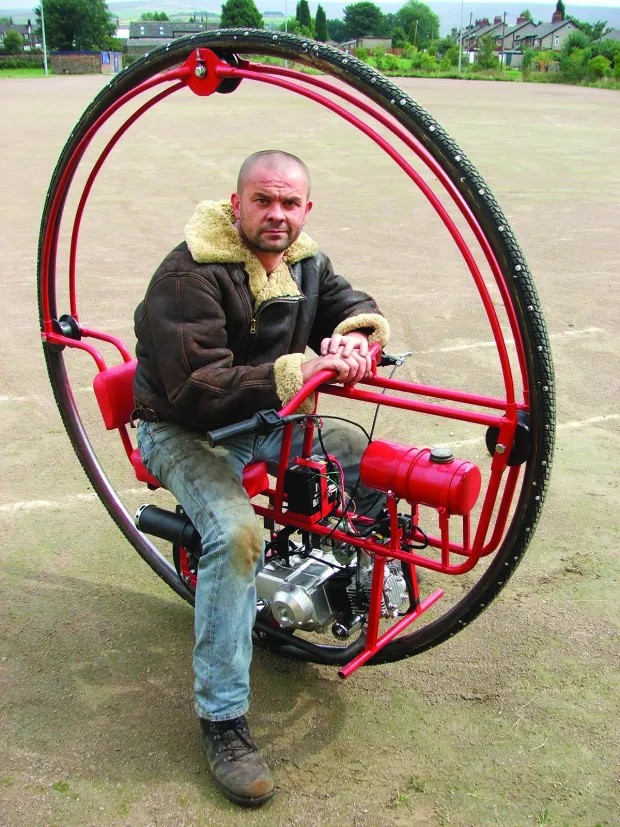
    Dave on his latest invention, a self-powered monowheel which really works.

    Dave initially justified his qualification to speak on this topic by briefly running through his CV.  After an engineering apprenticeship and a degree from the University of Manchester, he undertook a PhD and then became a lecturer at the university.  After 18 months, he detected falling academic standards and being unable to change ‘the system’, he ran away to join a circus!  He was an acrobat and developed an act where he appeared to walk across Niagara Falls using elaborate props incorporated into a high wire.  He soon became noticed as a chap who could build anything, and started making different mechanical props for fellow performers.

    After 15 years of this, he returned to the university to become a lecturer once more whilst continuing to build unusual machines in his shed.  He became fascinated with single wheeled machines and the talk to the Society was primarily about such machines which had great potential but never achieved commercial success.  We learned of a gyroscopic monorail train which potentially had much reduced costs and greater manoeuvrability.  This was never commissioned because people didn’t believe it would work, despite a working model being demonstrated.  In later life, Dave completed a Master’s degree in 3D design and became involved with Stoke Mandeville hospital, developing a device which harnessed brainwaves to control a wheelchair.  Hard to believe, but it is indeed possible, using an electroencephalograph.
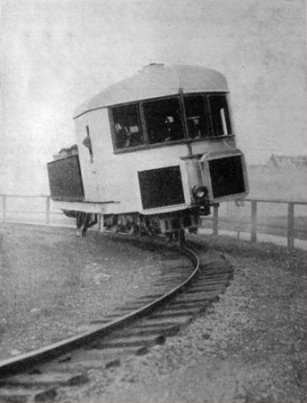
    The Brennan monowheel .  A 22-tonne prototype gyroscopic monorail vehicle developed in 1903 by Louis Brennan

    Many of the inventions Dave described never gained widespread acceptance due to a phenomenon known as Cultural Acceptance, which basically means that ‘people only like what they already like’.  Any radical concept too different or unusual is treated with mistrust to the point that commercial acceptability is never achieved.

    All the audience were enthralled by the talk which lasted far longer than scheduled, and Dave spent a good half an hour answering questions before he could begin his long journey back to Glossop, where he was later on duty as an on-call fire-fighter, the latest entry in his fascinating CV. Thankfully, he didn’t arrive on his monowheel – it didn’t have lights so wouldn’t have been safe.
  • Red or white poppies? – Alex Houghton

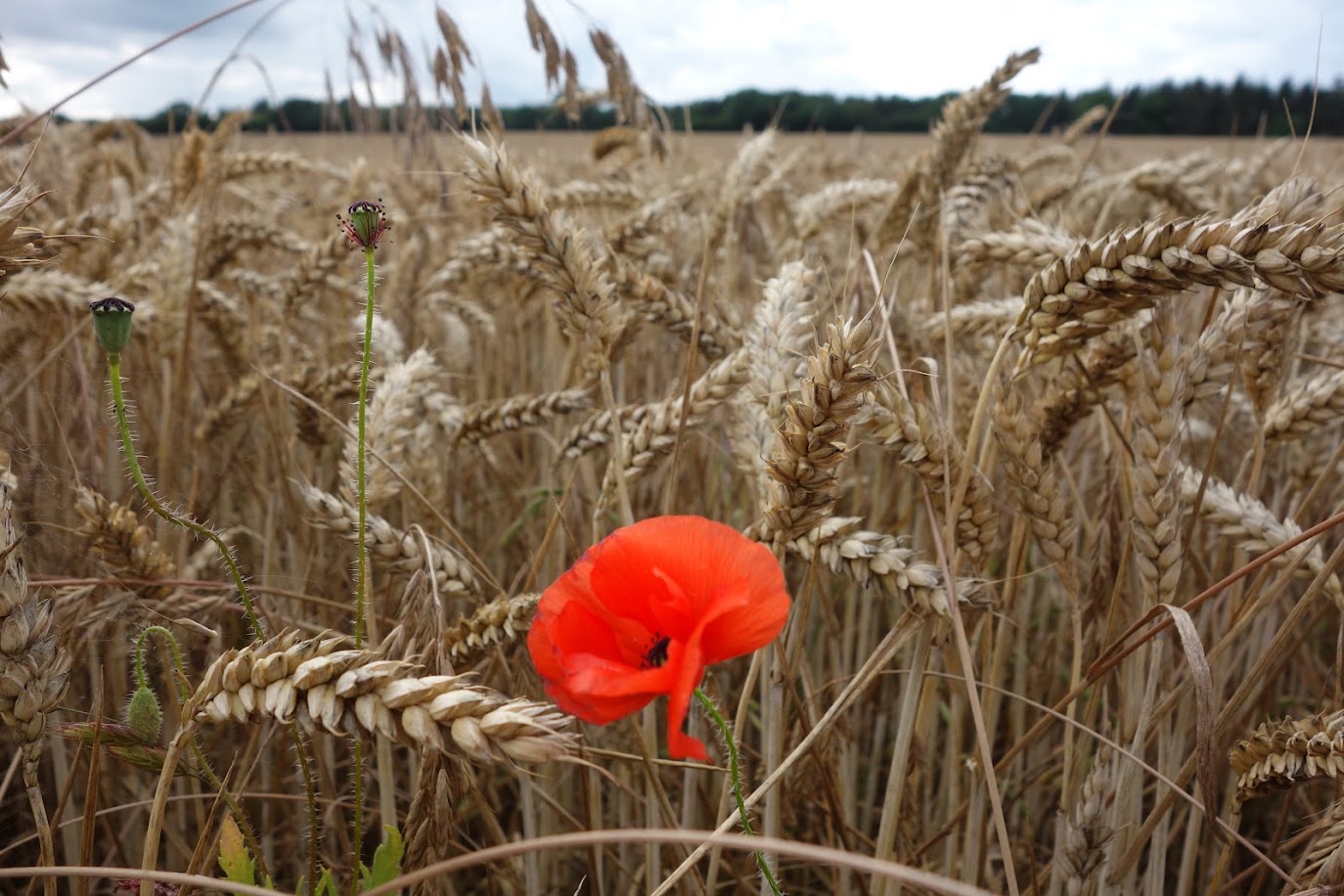
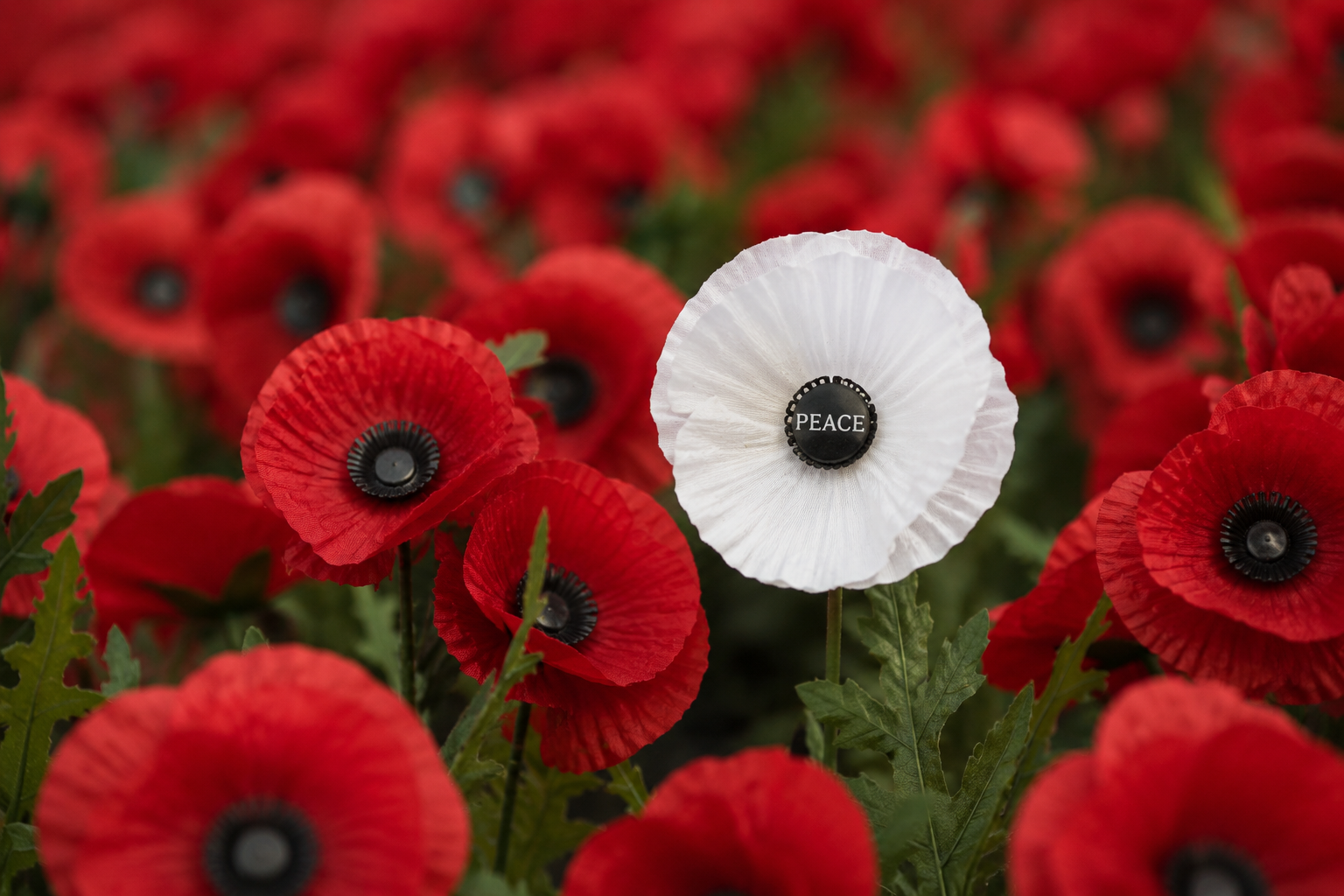
    We are all familiar with the red poppy being worn as a remembrance of the casualties not just the two world wars, but of any conflict.  Like many people, I was unfamiliar with the significance of white poppies which are occasionally seen at Remembrance Day services.  At a very informative talk at the Brindle Historical Society meeting on Monday 1st November, any misunderstanding or confusion was dispelled by our speaker Mr Alex Houghton from Chorley. 

    Alex explained that poppies had been sold to raise money for charity since well before the First World War and money raised from such sales was often distributed to military charities, but not exclusively so.  After the war, four organisations were independently formed to help veterans of the conflict but it was not until 1921 that Earl Douglas Haig was influential in bringing them together to form a single organisation, the British Legion (now the Royal British Legion), which existed to help war veterans and their dependents.

    At the talk, Alex brought along two poems which were beautifully read by one of the Society’s members.  The second poem, ‘In Flanders Fields’ is well known to all, and describes the red poppies growing amongst the war dead on the battle fields.  After the war, rituals of remembrance were established including the erection of war memorials, the moments of silence and memorials days.  At that time, thanks in part to the poem, poppies became a universal symbol of such rituals.

    By the 1930s, people were aware that further conflict was brewing in Europe, and certain movements were established to oppose such conflicts.  The Co-Operative Women’s Guild was one such organisation whose members wore white poppies to give out a message of ‘no more war’.  The Guild stressed that there was no conflict between the wearing of white poppies or the traditional red poppies: the red simply signified remembrance and the white an appeal for peace.  Both were often worn side by side.

    Unfortunately, this message never really got through, and even today, wreaths of white poppies left at Remembrance Day services can cause controversy and are occasionally vandalised.  However, the same meaning is ascribed to the poppies today: red for remembrance, white for peace. 

  • Medieval bridges of the Ribble Valley – Chris Hudson

    It was great to be back in the Community Hall to hear the first face-to-face talk at the Brindle Historical Society since February last year.  Twenty-two people turned up to hear Chris Hudson talk about ‘Medieval Bridges of the Ribble Valley’ in which he defined bridges that were in existence during the medieval period (between the 5th and 15th centuries) and still exist today.  His very informative talk described how he spent many hours seeking old maps and documents to find which bridges fell into that category.  His research revealed that the word medieval ought really to be spelled as “mediæval” since it was derivation from the Latin ‘medium ævum’ which literally translates as ‘middle ages’, but he bowed to popular convention for any spellings later in the talk.

    River crossings were an important part of any transport system, and the Romans used or created crossings at key points over rivers in the Ribble Valley, the locations of which have remained virtually unchanged.   As usage increased, what may initially have been stepping stones were replaced by wooden bridges and eventually masonry bridges as the skills to produce large stone arches were learned. 

    Any bridges constructed during the middle ages which are still standing today were in scope for his talk, and the audience learned about the construction methods which were considerably over-engineered.  These masonry bridges were designed for foot traffic and carts and yet they were so strong that they are still used to carry the weight of today’s HGVs in perfect safety.  Bridges constructed today are often designed to have a life-span of only 40 to 50 years!

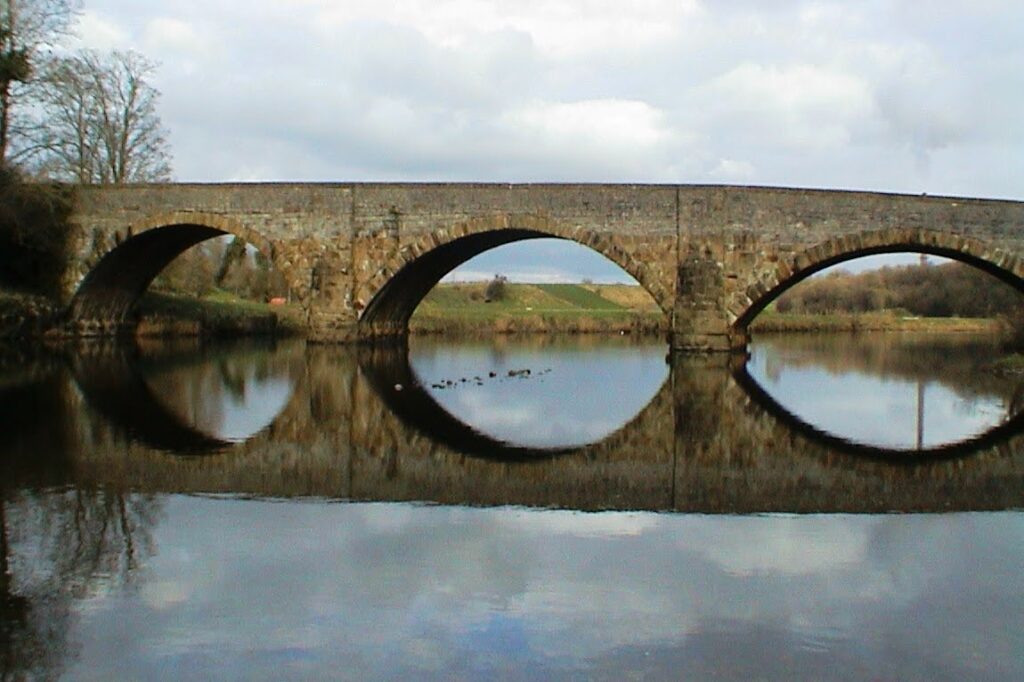
    Brungerley bridge still carrying traffic over the River Ribble between Clitheroe and Waddington

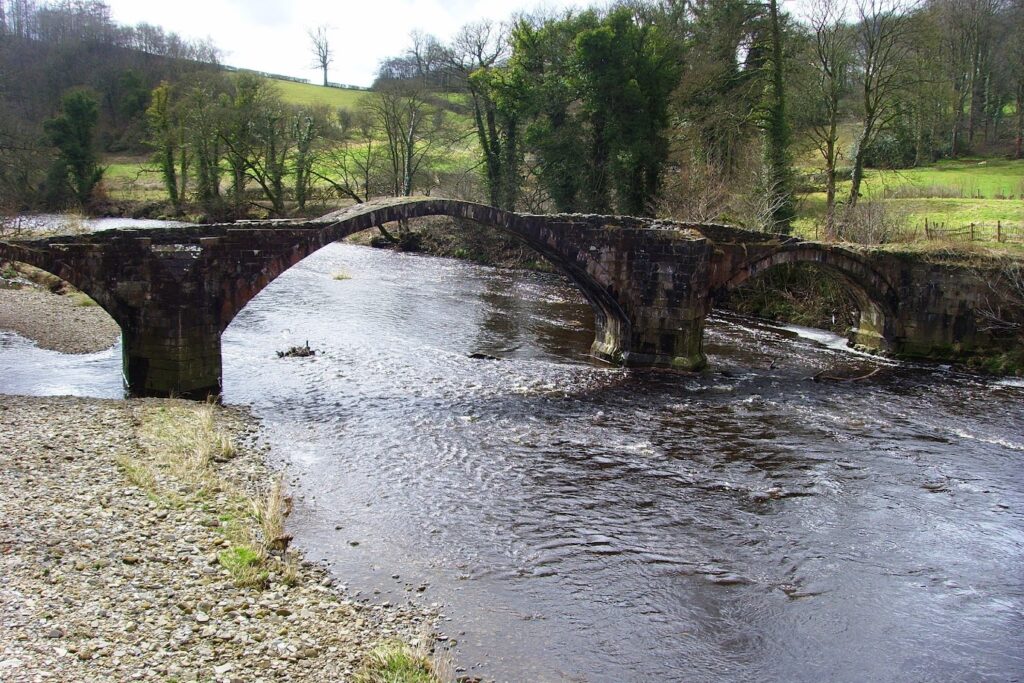
    In the Ribble Valley, there are just three bridges still standing which were built prior to 1600, these being the Edisford and Brungerley bridges over the Ribble near Clitheroe and the Cromwell bridge which spans the Hodder at Great Mitton.  Whilst the latter is still intact, it has been replaced by the Lower Hodder bridge a few metres up stream. 

    The Cromwell bridge over the River Hodder

    There was a large bridge at Whalley, first mentioned in 1317, but this was rebuilt in 1634 and still carries vehicular traffic today, albeit over a much higher river level.

    Chris also talked about the Highways Act of 1555 which stated that although the roads should be maintained by the local parishes, the bridges, because of their greater importance, were the responsibility of the county.

  • Votes for Women – Eric Pickles

    Despite strong competition for viewers from EUFA Euro 2020, the Brindle Historical Society managed to attract 14 on-line viewers to hear their talk on Votes for Women, presented by Eric Pickles through Zoom on Monday 21st June.  The society were unsure whether social distancing rules would prevent a ‘live’ talk in the Community Hall on this date, so they played safe and organised another Zoom presentation.

    This excellent presentation, supported by high quality photographs and illustrations which brought the talk to life, explained how, as recently as a century ago, adult suffrage (the right to vote in political elections) was still not fully afforded to both genders.  Prior to 1882, the speaker explained that women were ‘owned’ by their husbands and had very few rights as individuals.  The Married Women’s Property Act 1882 significantly altered English law to allow married women to own and control property in their own right and this started a series of events which led to everyone over 21 having the right to vote, irrespective of gender.  However, this change took 46 years and was not easily won, and very many brave women suffered dreadfully fighting for this freedom, which we now see as  a universal right.

    The women who first campaigned for women’s votes were known as Suffragists who believed in peaceful methods to gain their objective, but in the early 20th century, a new generation of activists emerged who were willing to take a more direct approach.  These were known as Suffragettes.  Their campaign slogan was ‘Deeds not words’ and Emmeline Pankhurst and her two daughters Sylvia and Christobel were key figures in the movement.

    We heard about how the campaigners, although fighting for a common cause, were often in conflict, which appeared to be class based.  In 1908, the campaign focus was subtly changed to read ‘Votes for Ladies’, and when Sylvia Pankhurst tried to change the movement back to its working class roots, she was expelled from the movement by her own sister Christobel.

    Many women were imprisoned for their activities, and as a protest of this injustice, many went on hunger strike.  We heard awful tales of women being force fed by their jailers, some even dying from the treatment they received.  There was a movement against force feeding, and an amnesty was granted in 1914.  Indeed, at the outbreak of the Great War, both sides suspended their activities, yet continued campaigning.

    In 1918, only 60% of men (and no women) had the vote.  The law excluded the poorest in society, which included many soldiers returning from fighting for their country.  In addition, during the war women had begun taking on previously ‘male’ roles, and so a proposal to allow all men over 21 and women over 30 to have the right to vote was passed in 1918.  It took a further decade before everyone over 21 had equal voting rights.

  • The Preston Tram Road – Steve Ashcroft

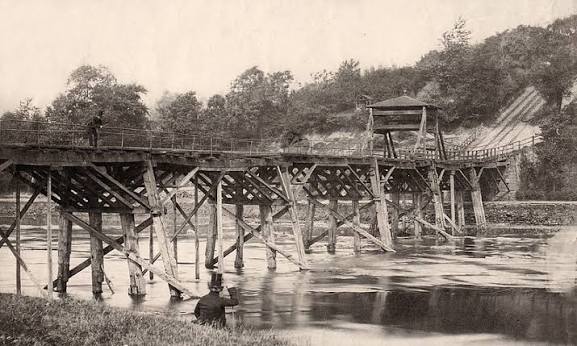
    The Tram Road and bridge over the Ribble were constructed at the start of the 19th century, opening in 1803, to link the northern and southern sections of the Lancaster Canal.  In 1772 Lancaster businessmen pushed for a canal to enable coal to be brought north from the coalfields around Wigan and limestone to be taken south from quarries in the Kendal area.  There were 2 major obstacles, the Lune at Lancaster and the Ribble at Preston.  An aqueduct was constructed over the Lune at a cost of £48,000.  The Ribble however was quite a different matter; the estimated cost was £180,000 (much more because of the width of the valley, the locks needed to drop down from Preston (150 ft) and then to get back up to Walton Summit, 220 ft) and far too much to contemplate.  So a temporary solution had to be found.  Thus was born the Tram Road, linking the basin in Preston with the northern end of the southern section of the canal at the Walton Summit basin.  At each basin goods were unloaded or loaded between barges and trucks running on L shaped rails, the trucks being drawn by horses.  Initially steam engines were used to draw the laden trucks up the inclines, the steepest being that up from the Ribble to Avenham Park; but there were some serious accidents when trucks came adrift from the chains hauling them, and so the track was re-engineered to reduce the inclines and abandon the steam engines.

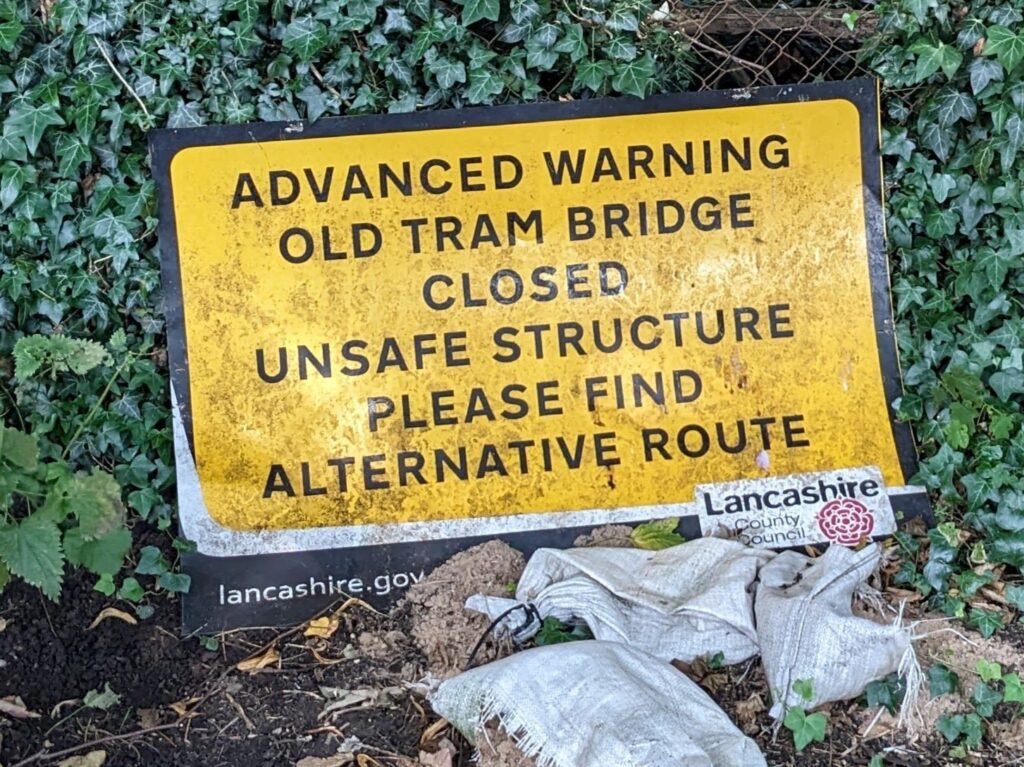
    Steve took us from north to south along the line of the Tram Road to Walton Summit (and beyond).  He displayed old maps and photographs, and had made digital copies of slides taken by Winifred Gibbs in the 1960’s before the M61 was built (obtained from the county archives) and compared those with his own photographs taken in the last 5 years.  The wooden supports for the original bridge across the Ribble had been replaced with concrete ones in the 1960’s; but regrettably those have also now deteriorated and the bridge is closed. 

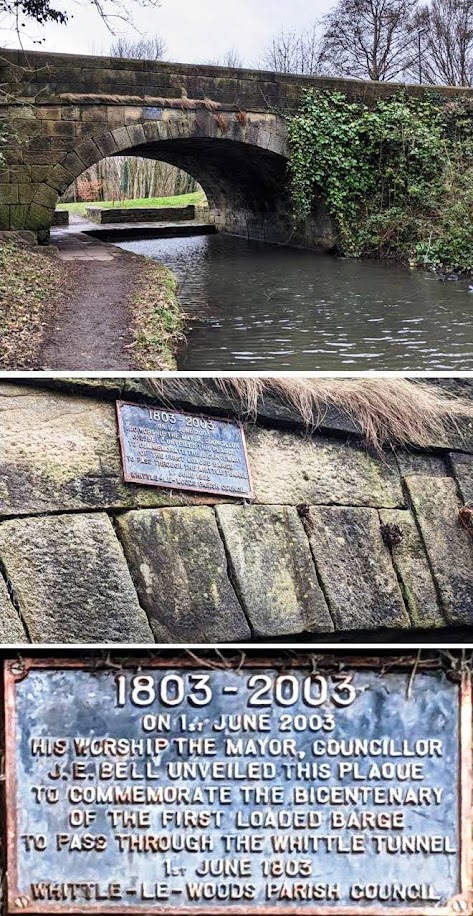
    It remains to be seen if Preston Council will repair it.  The route of the Tram Road can still be traced despite parts having been obliterated by development, not least the M61 and M65 and the industrial buildings at Walton Summit (one member recalling people fishing in the basin at Walton Summit); and original features could still be seen at various points (e.g. the tunnel into the Fishergate car park).  Steve went on beyond Walton Summit to Radburn Brow, Whittle-le-Woods, and Johnson’s Hillock, amongst other things showing us the basin for the coal yards at Radburn Brow, the Whittle tunnels (and the plaque in 2003 recording it having been 200 years since the first barge went through).

    We were given far too much information to be able to begin to scratch the surface here in this brief report.  It was an excellent talk.  Thank you, Steve; and thanks to all those present who contributed their own youthful recollections.       

  • Top o’ th’ Lane and its history – Bernard Fleming

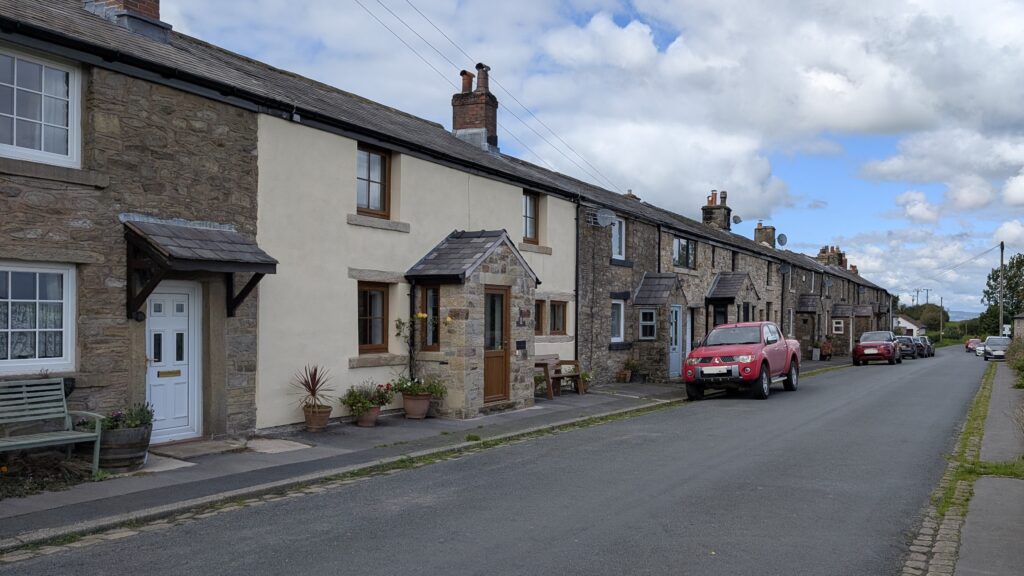
    In March in place of the planed talk, we were treated to an impromptu potted history of Top o’ th’ Lane and its history from Bernard Fleming, supported by Pat Fleming.  The cottages there were originally built for quarrymen and weavers.  The weavers collected bales of cotton from barges on the canal and wove it into cloth in the cottages after which it was taken for dyeing in the mill at Lower Copthurst.  Small though they are, some cottages contained up to six looms and at one time there were some 300 people living in the cottages.  

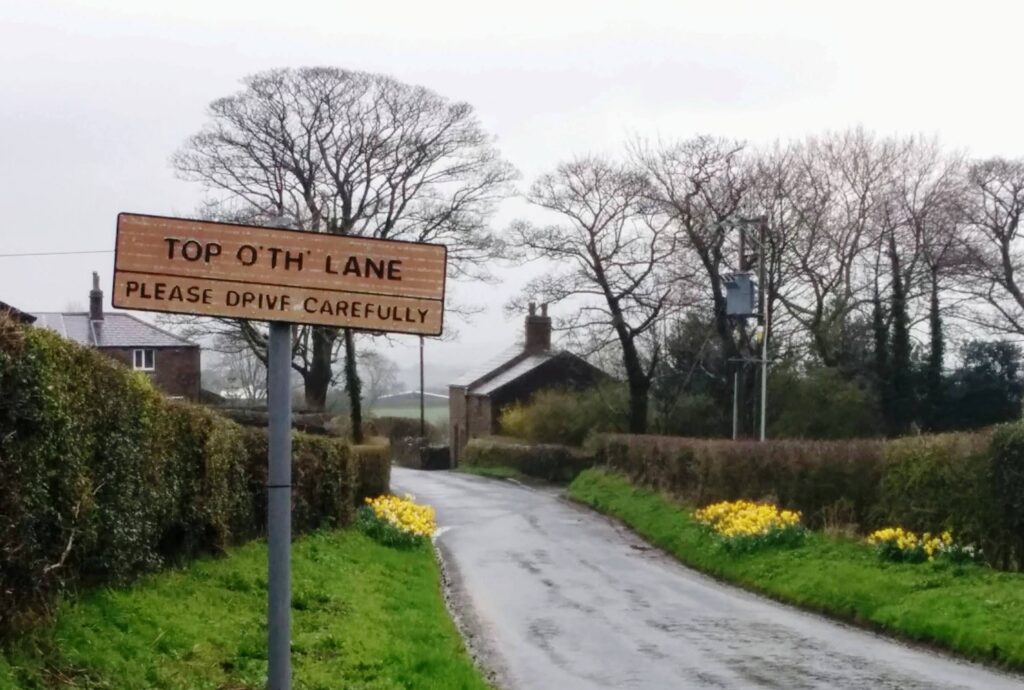
    Top o’th’ lane

    The Brindle Workhouse, although started by the parish in the early 1700’s in a small converted mass house, later took in the poor from numerous parishes in the area and became a substantial business, housing between 200 and 300.  At one time some 80 townships were recorded as sending their poor to Brindle. 

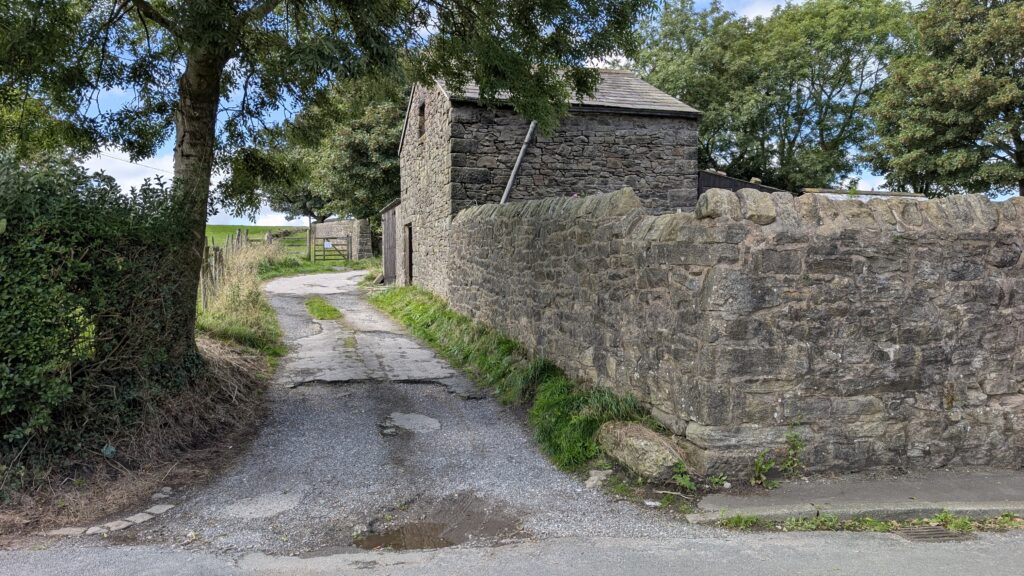
    Site of Brindle Workhouse

    In the 1800’s there was a very large meeting of Chartists on top of Denham Hill when a number of thousands of people came from the surrounding area to hear the outcome of a vote in parliament on electoral reform.  The conditions in the workhouse were harsh and it was closed in 1843.  During the cold war post WW2, a Royal Observer Corps monitoring post was constructed on Denham Hill.  Closed in 1991, this “nuclear bunker” is currently being restored with the aid of a Lottery grant.  There is so much of interest at Top o’ th’ Lane, and it was a busy place.  We are considering arranging a walk round during a summer evening to see and hear more.     

  • The history of BAE Systems – Dave Ward

    On Monday 18th November, Dave Ward gave a fascinating talk about the growth of BAE Systems sites in the North West of England during the last century.  Most of the 35 guests were aware of the current Warton and Samlesbury sites, and thanks to a link to the last speaker at the Society who talked about the Dick, Kerr ladies football team, had learned about the Preston site in the early part of the 20th century. 

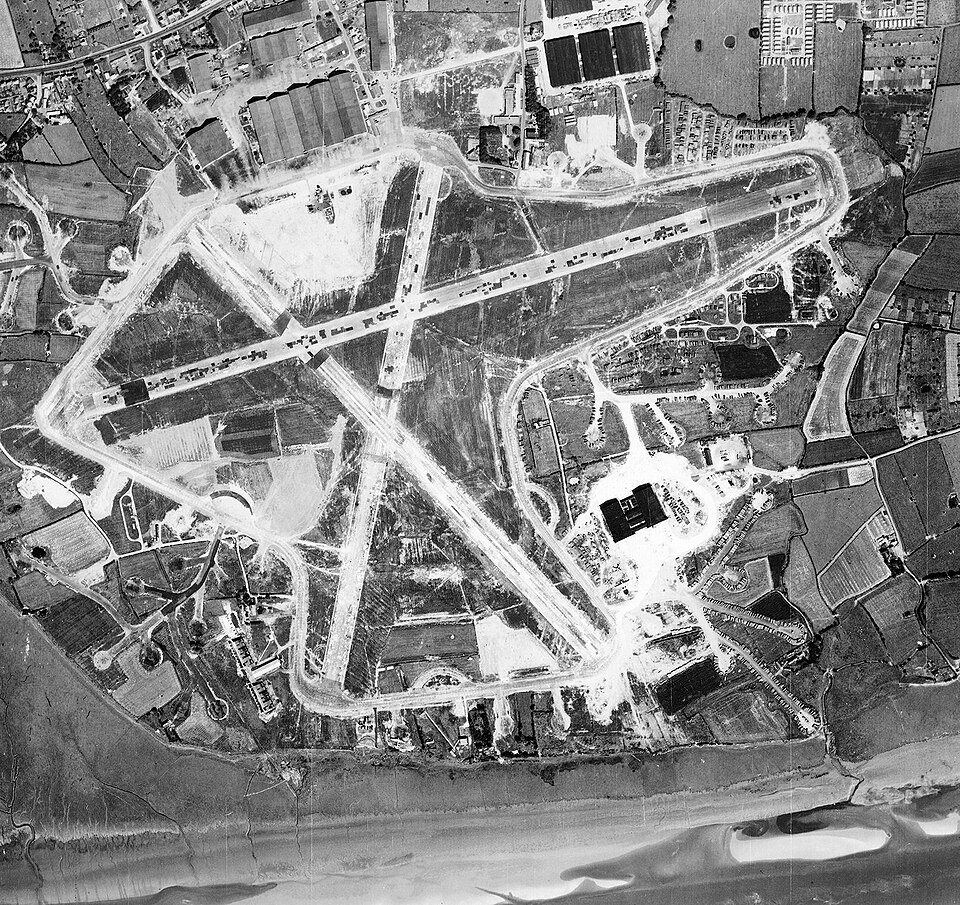
    Aerial photograph of Warton airfield. The main runway runs NE/SW. Photograph taken by No. 541 Squadron, sortie number RAF/106G/UK/625 on 10 August 1945. English Heritage (RAF Photography)

    As a historical aside, the Dick Kerr company took over English Electric in 1902 which, after a series of mergers in 1960, became the British Aircraft Corporation. Nationalisation (and further mergers) in 1977 formed British Aerospace which then transformed into BAE Systems when it took over the electronic systems part of Marconi in 1999.

    Dave’s illustrated talk showed how major aircraft sub-assemblies were manufactured at Preston in the 1930s before being shipped elsewhere for final assembly and first flight.  Samlesbury site was developed at the start of the Second World War, and at its peak, assembled close to 80 aircraft per month.  Warton site started life as a Base Air Depot for the US Air Force in 1941 and when the Americans left after the war, Warton was seen as a perfect base to develop and test new aircraft products. 

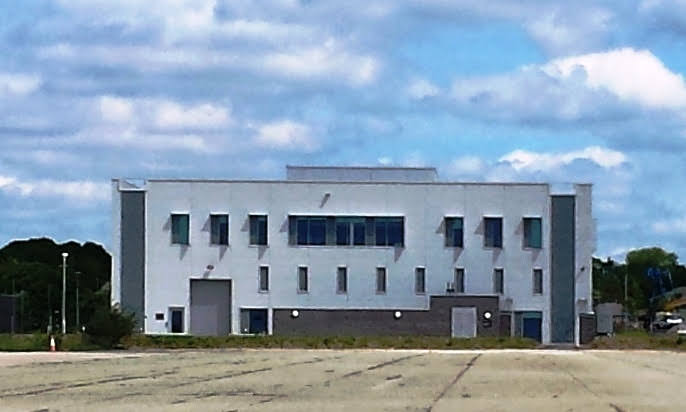
    The long runway and the installation of wind tunnels soon meant that Warton became the main development site for the Canberra jet bomber, followed later by the Lightning, Jaguar, Tornado and now Typhoon aircraft.  Apart from the apprentice training school, the Preston site was closed in 1990 and work transferred to Samlesbury and Warton and in 2016 the apprentice training school closed its doors at Preston and moved to a purpose-built building over the old runway at Samlesbury.

    The Academy for Skills and Knowledge for apprentices built over the Samlesbury runway