We are all familiar with the red poppy being worn as a remembrance of the casualties not just the two world wars, but of any conflict. Like many people, I was unfamiliar with the significance of white poppies which are occasionally seen at Remembrance Day services. At a very informative talk at the Brindle Historical Society meeting on Monday 1st November, any misunderstanding or confusion was dispelled by our speaker Mr Alex Houghton from Chorley.
Alex explained that poppies had been sold to raise money for charity since well before the First World War and money raised from such sales was often distributed to military charities, but not exclusively so. After the war, four organisations were independently formed to help veterans of the conflict but it was not until 1921 that Earl Douglas Haig was influential in bringing them together to form a single organisation, the British Legion (now the Royal British Legion), which existed to help war veterans and their dependents.
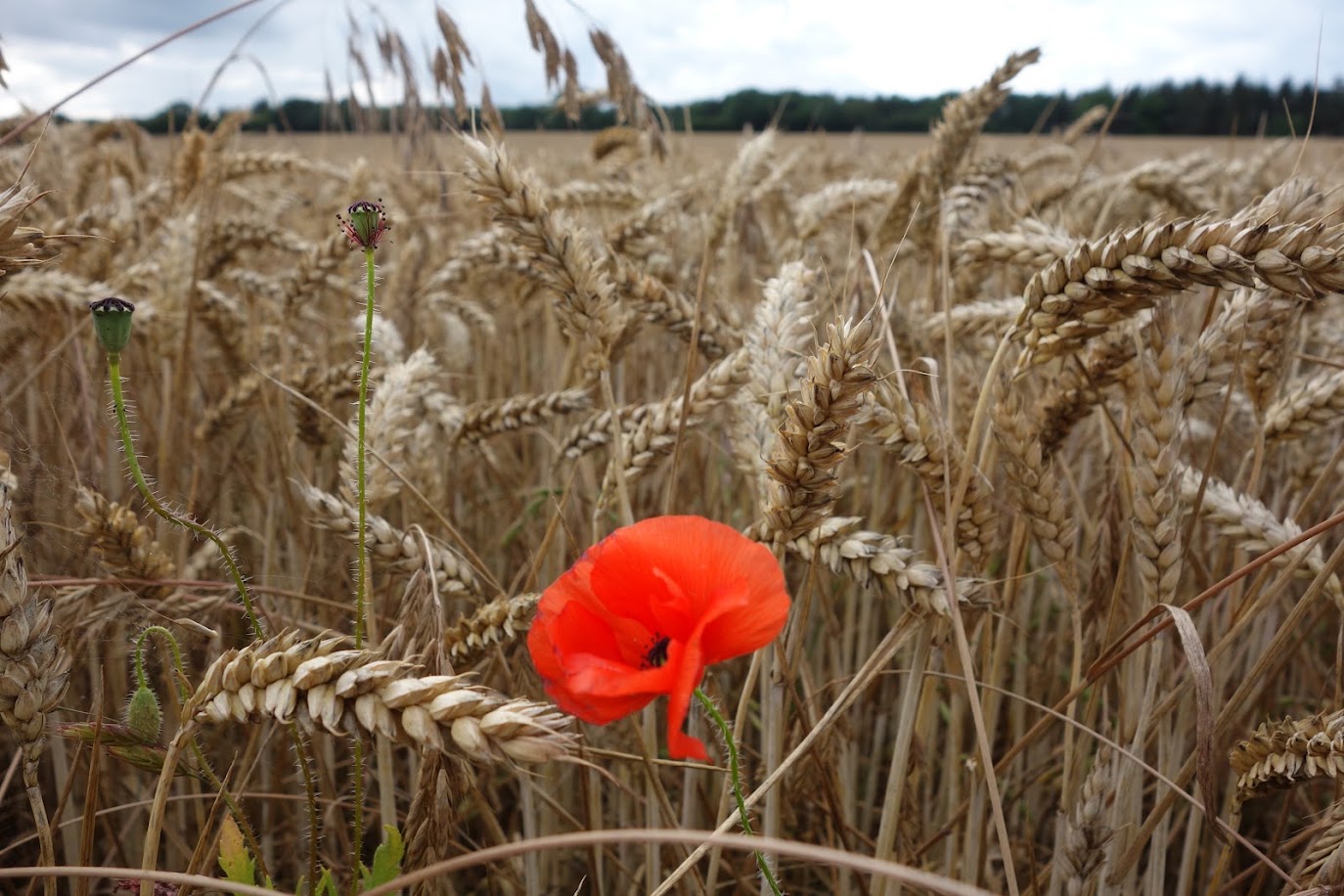
At the talk, Alex brought along two poems which were beautifully read by one of the Society’s members. The second poem, ‘In Flanders Fields’ is well known to all, and describes the red poppies growing amongst the war dead on the battle fields. After the war, rituals of remembrance were established including the erection of war memorials, the moments of silence and memorials days. At that time, thanks in part to the poem, poppies became a universal symbol of such rituals.
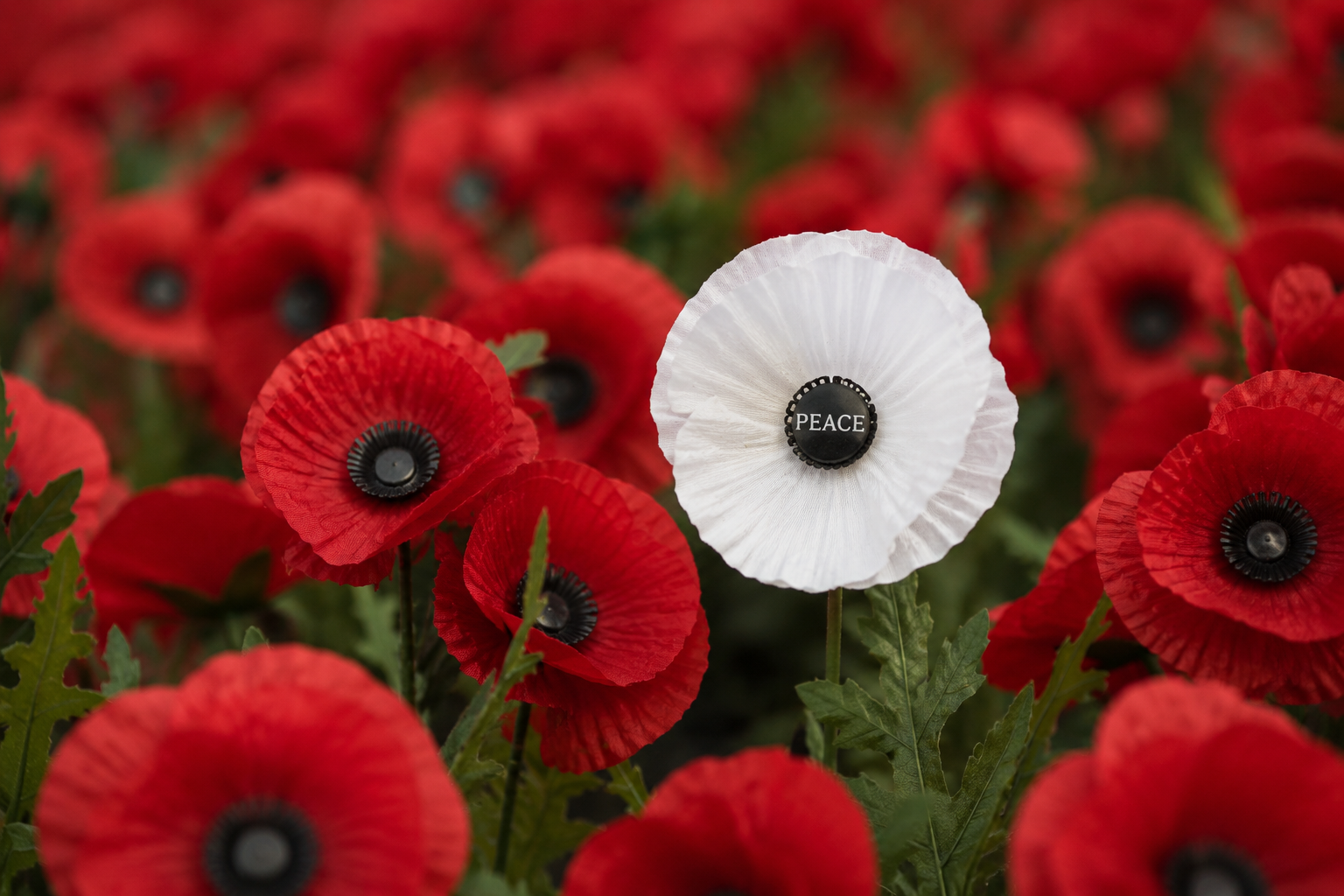
By the 1930s, people were aware that further conflict was brewing in Europe, and certain movements were established to oppose such conflicts. The Co-Operative Women’s Guild was one such organisation whose members wore white poppies to give out a message of ‘no more war’. The Guild stressed that there was no conflict between the wearing of white poppies or the traditional red poppies: the red simply signified remembrance and the white an appeal for peace. Both were often worn side by side.
Unfortunately, this message never really got through, and even today, wreaths of white poppies left at Remembrance Day services can cause controversy and are occasionally vandalised. However, the same meaning is ascribed to the poppies today: red for remembrance, white for peace.
Leave a Reply