Everyone who lives in Bolton believes that the Rivington Terraced Gardens are located in Bolton but those of us who live in Chorley know that they actually lie within Chorley’s boundary. The talk by Graham Gough in March at the Brindle Historical Society clearly explained to the audience not only where the gardens are but also gave a fascinating insight on how they came to be built, why they fell into disrepair and what is now being done to restore them.
William Hesketh Lever was born in 1851 the son of a Bolton grocer and one of his first jobs as a boy was to help in the shop by cutting up blocks of soap. While still very young, he realised the potential of selling good quality soap which was attractively packaged and marketed. In 1885, he set up the Lever Brothers company and from that enterprise, he became hugely wealthy.
In 1899 much of the moorland East of Chorley was owned by Rivington Hall estates and when this came up for sale, Lever bought it for £60,000. He only wanted the part where he was to establish his gardens and park and so four years later, he sold the remaining land for £140,000! He built a huge house on the hillside which he quaintly named Royton Cottage although his main residence was Thornton Manor in Wirral.
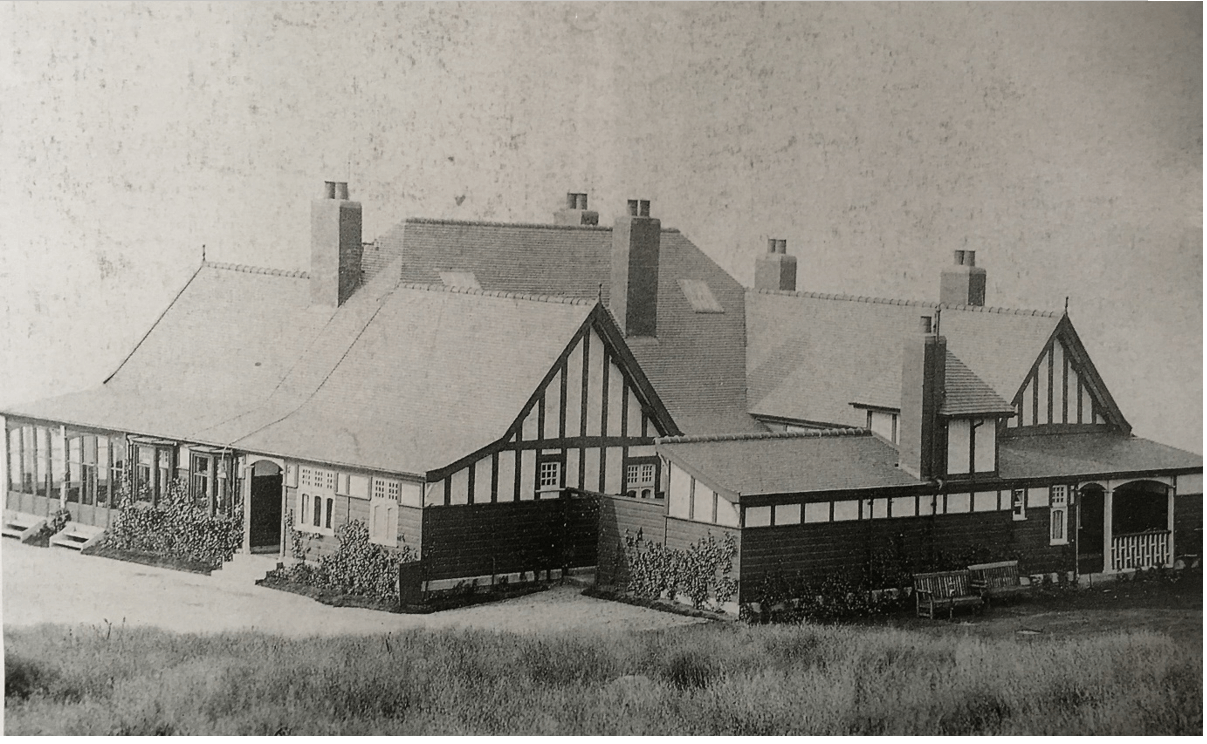
Lever persuaded Thomas Mawson to become his principal landscape architect and instructed him to build a series of gardens and lakes set into what was previously just bare moorland. He also built a large summer house so that he could entertain guests whilst enjoying the views of Morecambe Bay and the Lake District fells to the North and Liverpool Bay and the Welsh mountains to the South. In 1912 he also built a folly beside the reservoir known as Rivington Castle which was a scale replica of Liverpool Castle. This was constructed as a ruin and left unfinished. After the first world war, work continued building the lower gardens and the ravine which was a man-made waterfall fed by an artificial lake around which was built a Japanese garden.
Lever died in 1925 and his family showed no interest in continuing the garden development; they only saw the cost of the venture and sold the gardens to a local brewer John Magee for £15,600. After Magee died in 1931 his family eventually sold the bungalow and grounds to Liverpool Water Corporation in 1940 who paid just £3,000. For the next 60 years the gardens were abandoned and nature took over with many rhododendrons overwhelming the area.
United Utilities (the current owner of the gardens) set up the Rivington Heritage Trust in 1997 who in 2012 managed to secure a grant of £3.4m from the Lottery Fund to restore the grounds. Since then, considerable work has been undertaken by both paid contractors and many volunteers to begin the restoration of these remarkable gardens and buildings.
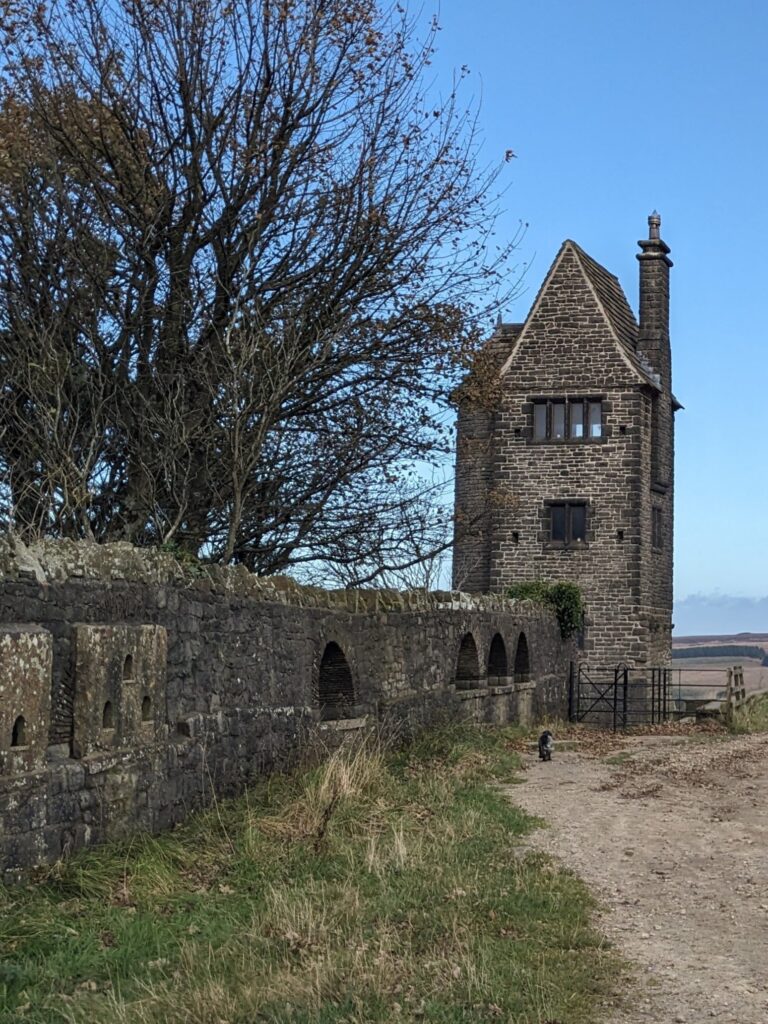
The Pigeon Tower has been fully restored and is now open for visitors on the first Saturday of every month to raise funds for continued restoration. Guided walks and tours can be arranged through the Friends of Rivington Terraced Gardens.
Monday 17th March – Rivington Terraced Gardens: Past, Present and Future – Graham Gough
Everyone who lives in Bolton believes that the Rivington Terraced Gardens are located in Bolton but those of us who live in Chorley know that they actually lie within Chorley’s boundary. The talk by Graham Gough in March at the Brindle Historical Society clearly explained to the audience not only where the gardens are but also gave a fascinating insight on how they came to be built, why they fell into disrepair and what is now being done to restore them.
William Hesketh Lever was born in 1851 the son of a Bolton grocer and one of his first jobs as a boy was to help in the shop by cutting up blocks of soap. While still very young, he realised the potential of selling good quality soap which was attractively packaged and marketed. In 1885, he set up the Lever Brothers company and from that enterprise, he became hugely wealthy.
In 1899 much of the moorland East of Chorley was owned by Rivington Hall estates and when this came up for sale, Lever bought it for £60,000. He only wanted the part where he was to establish his gardens and park and so four years later, he sold the remaining land for £140,000! He built a huge house on the hillside which he quaintly named Royton Cottage although his main residence was Thornton Manor in Wirral.
Lever persuaded Thomas Mawson to become his principal landscape architect and instructed him to build a series of gardens and lakes set into what was previously just bare moorland. He also built a large summer house so that he could entertain guests whilst enjoying the views of Morecambe Bay and the Lake District fells to the North and Liverpool Bay and the Welsh mountains to the South. In 1912 he also built a folly beside the reservoir known as Rivington Castle which was a scale replica of Liverpool Castle. This was constructed as a ruin and left unfinished. After the first world war, work continued building the lower gardens and the ravine which was a man-made waterfall fed by an artificial lake around which was built a Japanese garden.
Lever died in 1925 and his family showed no interest in continuing the garden development; they only saw the cost of the venture and sold the gardens to a local brewer John Magee for £15,600. After Magee died in 1931 his family eventually sold the bungalow and grounds to Liverpool Water Corporation in 1940 who paid just £3,000. For the next 60 years the gardens were abandoned and nature took over with many rhododendrons overwhelming the area.
United Utilities (the current owner of the gardens) set up the Rivington Heritage Trust in 1997 who in 2012 managed to secure a grant of £3.4m from the Lottery Fund to restore the grounds. Since then, considerable work has been undertaken by both paid contractors and many volunteers to begin the restoration of these remarkable gardens and buildings.
The Pigeon Tower has been fully restored and is now open for visitors on the first Saturday of every month to raise funds for continued restoration. Guided walks and tours can be arranged through the Friends of Rivington Terraced Gardens.
Leave a Reply