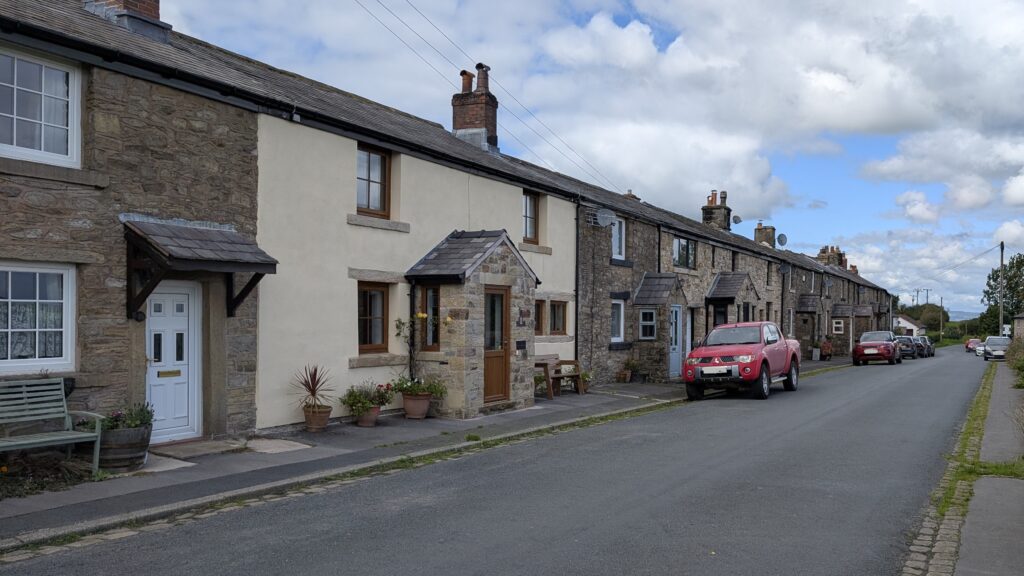
Brindle is one of the oldest parishes in Lancashire, dating back to around 1190. It comprises a small village and two hamlets set amid farmland and bordered by the towns of Preston, Leyland, Chorley and Blackburn. The parish sprawls across a large area with three distinct population centres: the village with its church and pub, the hamlet of Top o’th’ Lane, with its long row of weavers’ cottages dating from around 1800, and just across the railway line are the terraces which sprang up around Brindle Mill which was built in 1853. In addition, there are many individual cottages and farms in the parish.
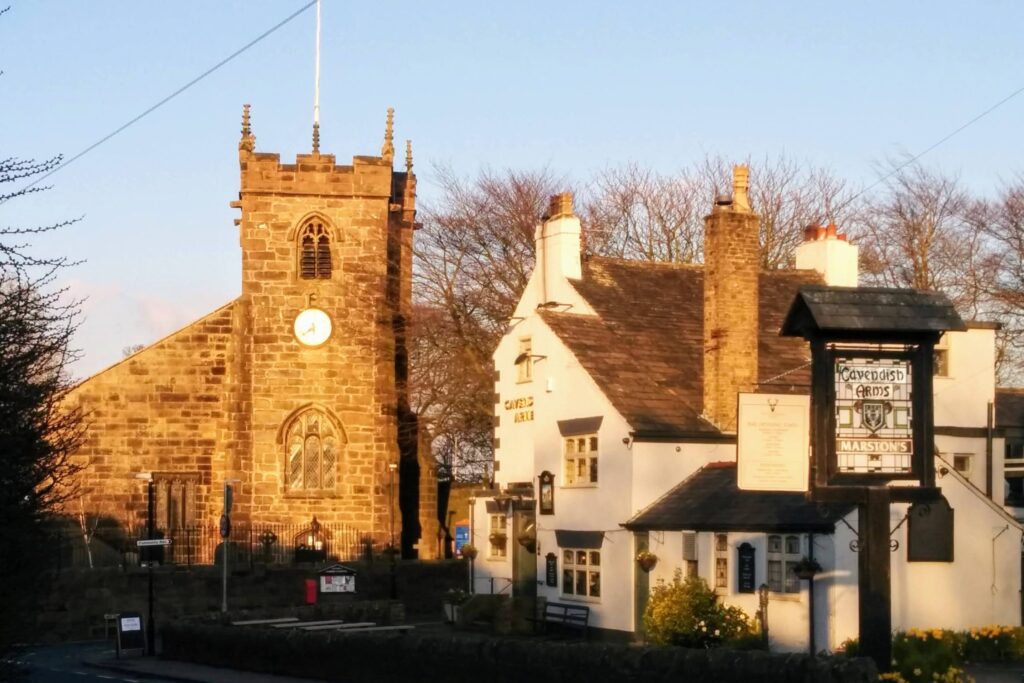
The population has gradually fallen over the years: the census of 1821 revealed that there were 1,574 residents compared with around 1,000 today. Many of the surnames included in the early parish registers as far back as the sixteenth century are still present in the current electoral register.
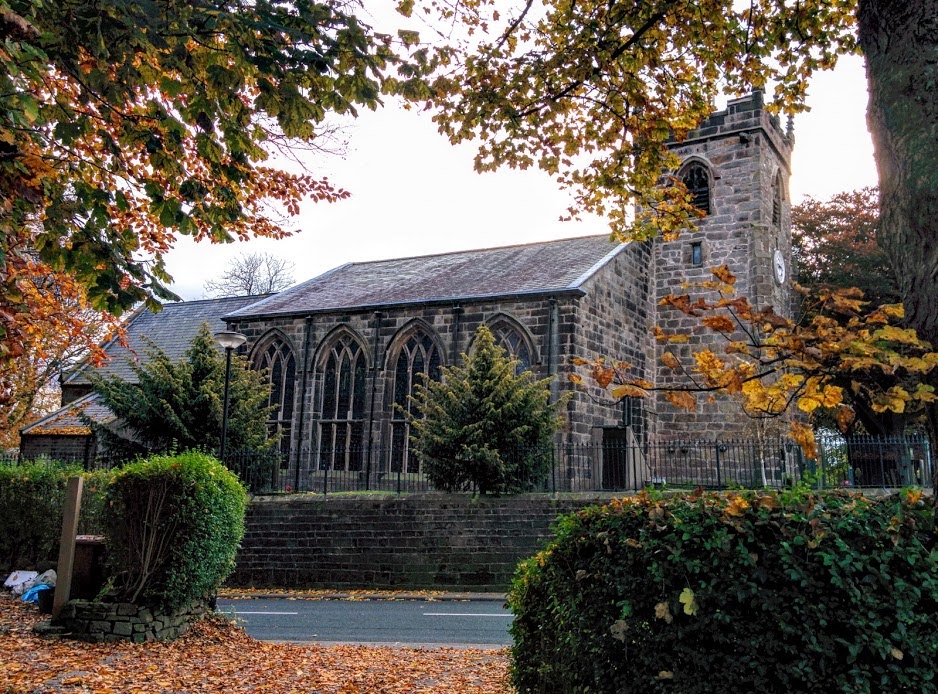
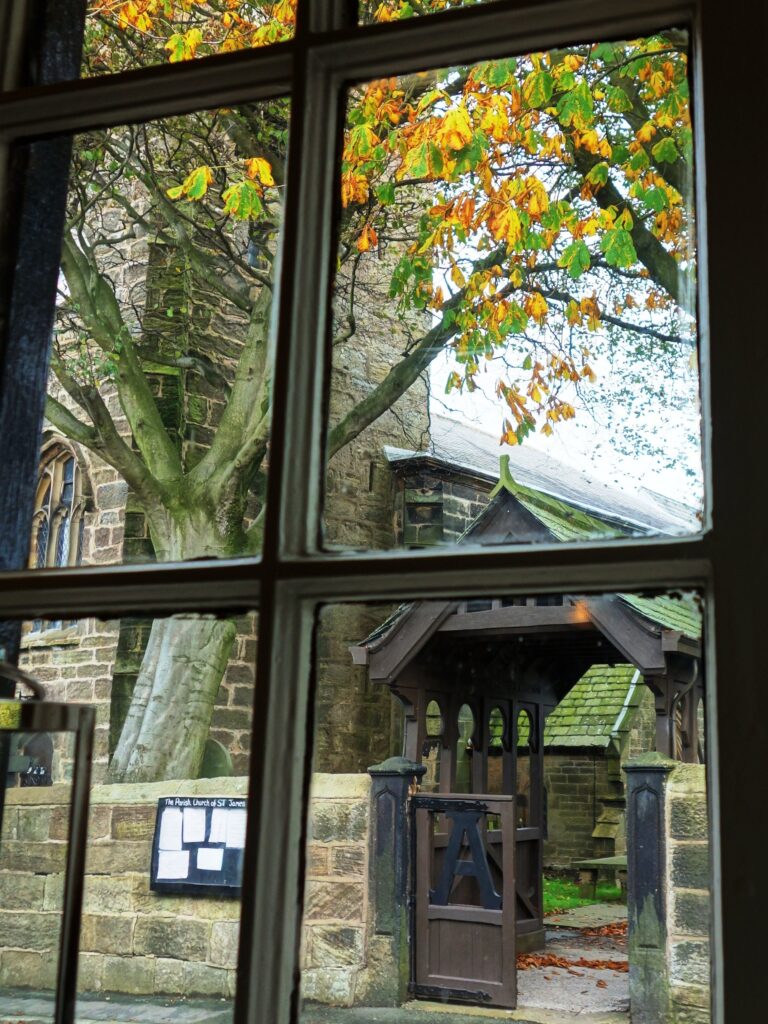
At the heart of the village is the church of St. James, which in pre-reformation days was known as St. Helen’s. The present church tower was constructed about 1500 and two of the six bells that are rung weekly are original. The church was substantially modified in the nineteenth century and work has been done in recent years to maintain it in good condition.
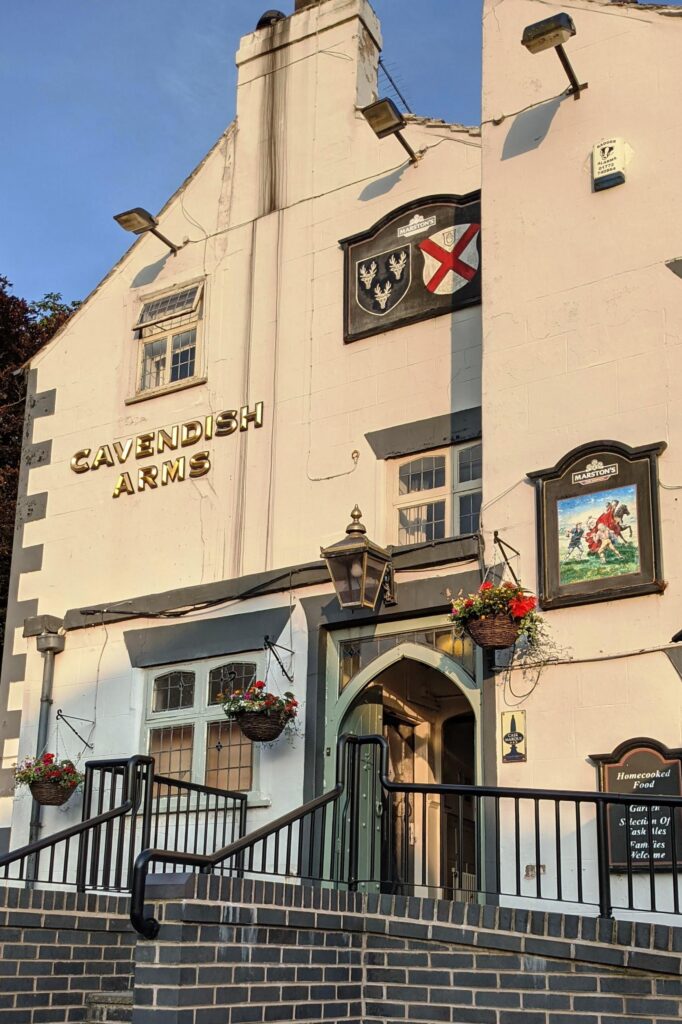
Just across the road from the lych-gate is the Cavendish Arms which remains a very popular pub with both locals and visitors alike.
A short distance down the lane is the village school which was initially established in c1623 as the ‘Brindle Free Grammar School’. It was rebuilt in its present location in 1828 and remains a thriving primary school.
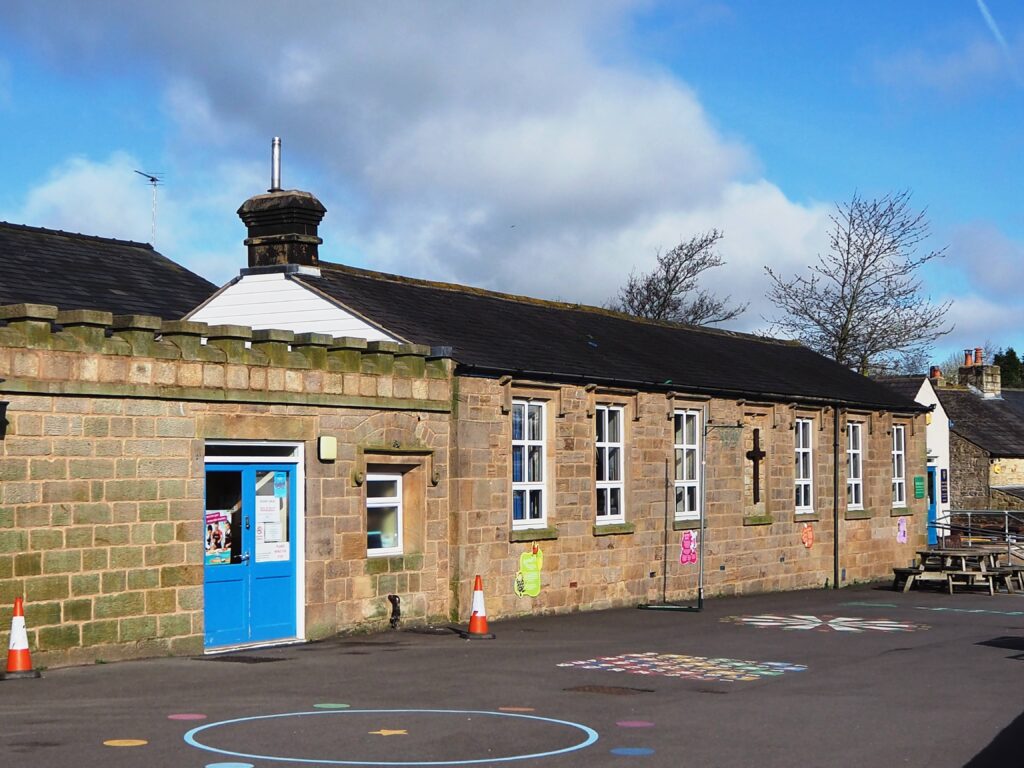
In total there are twenty-six listed buildings in the parish which are of architectural and historical significance. Click here for details.
Until 1572 the manor and estate of Brindle were held by the Gerards of Bryn. Sir Thomas Gerard unwisely supported the cause of Mary Queen of Scots and was imprisoned in the Tower of London. He forfeited his lands to the Cavendish family, thus beginning their long relationship with Brindle,
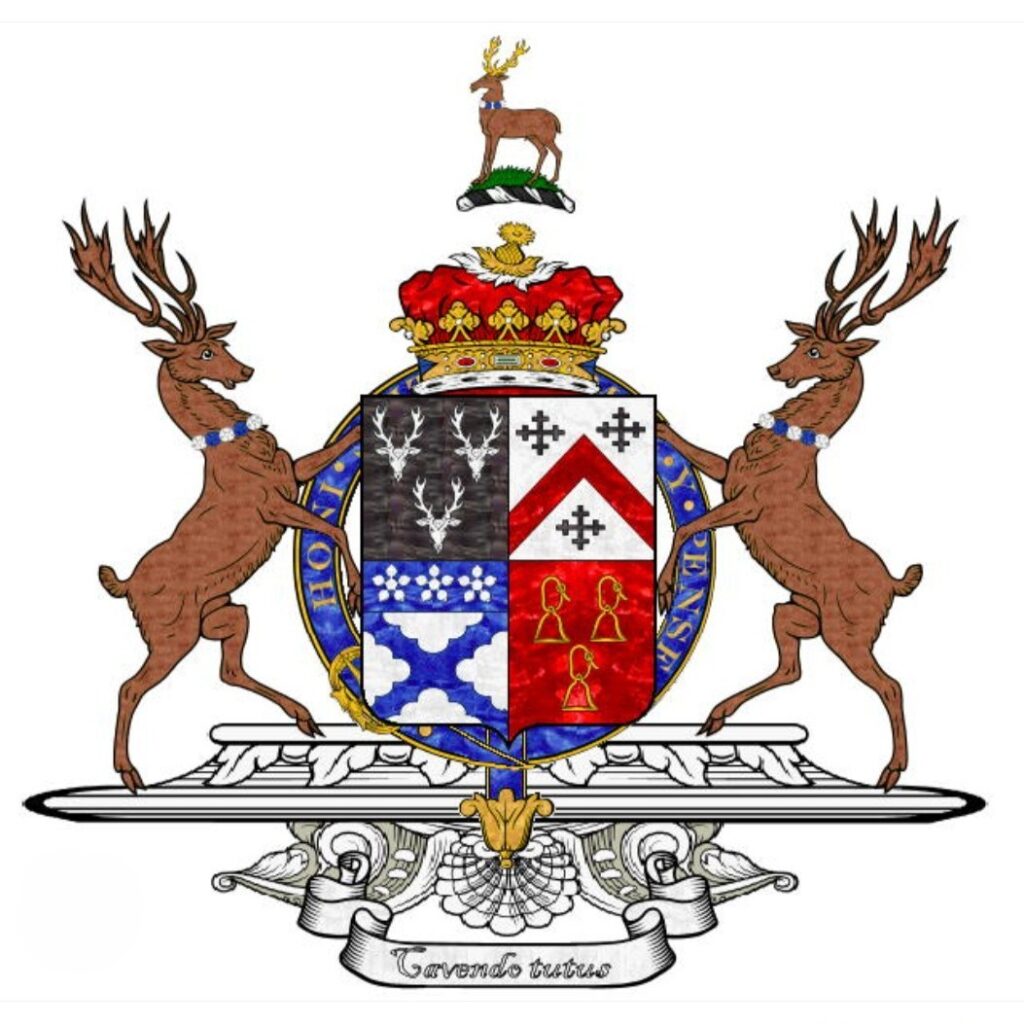
Catholicism remained a significant factor in the story of Brindle. In 1613 there were “unlawful meetings of Papists in Brindle”. Mass houses such as Slack Farm were regularly used and there was a strong Jesuit presence. In 1628 Father Edmund Arrowsmith was pursued and captured in Brindle, later being executed at Lancaster. It is estimated that about half the population remained true to the old faith and recusancy was regularly recorded.
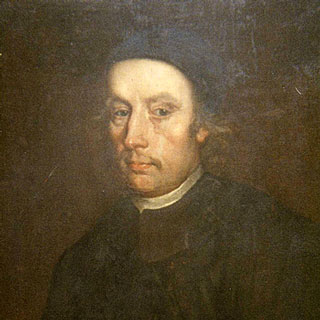
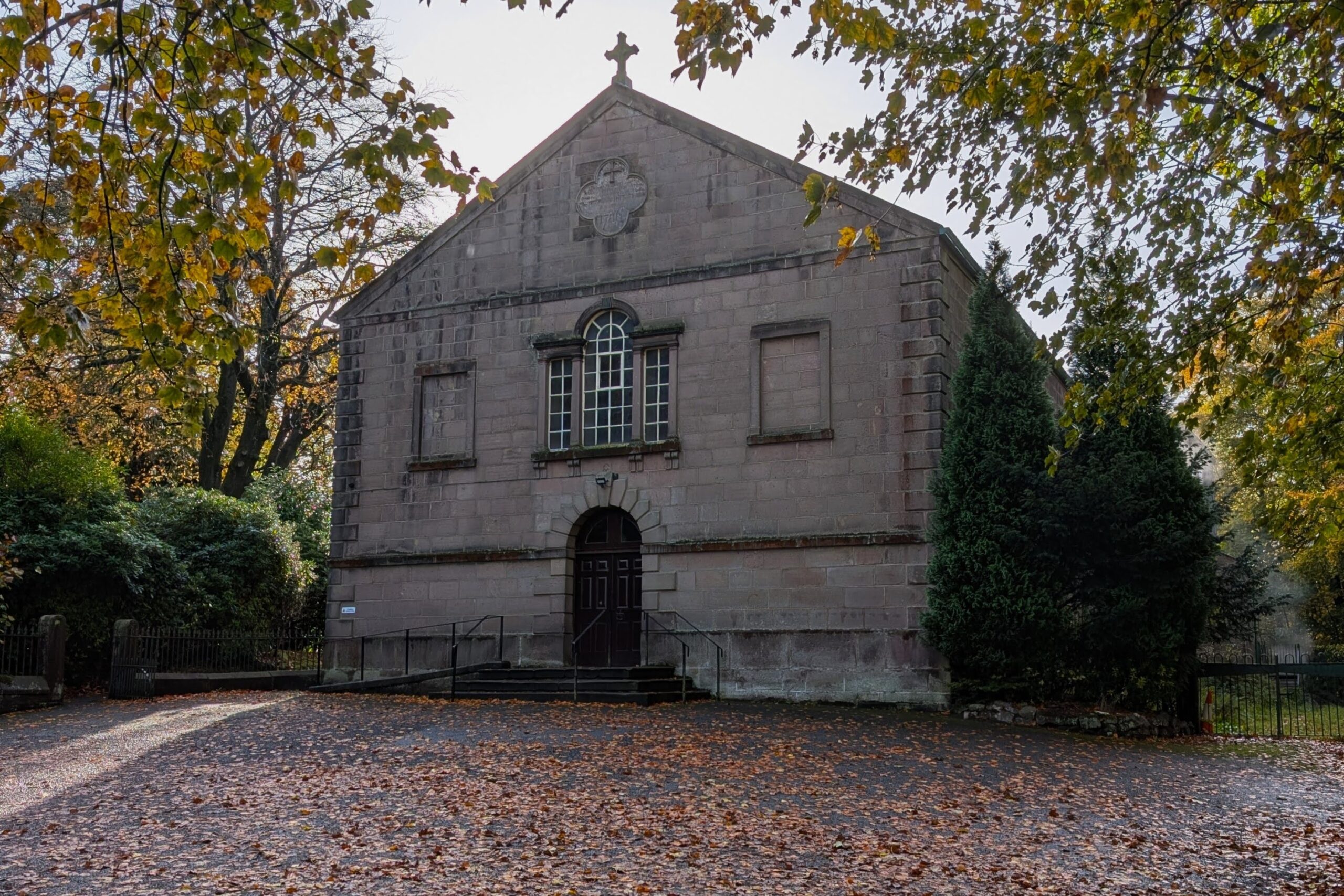
The establishing of a mission in 1677 by Benedictine monks led eventually to the building of St. Joseph’s Church in 1786 and the first Catholic school in the same year.
During the eighteenth and nineteenth centuries, village life reflected agricultural and industrial changes. Handloom weaving at many farm cottages, but particularly at the three-storey homes at Top o’th Lane, was a necessary supplement to the basic agricultural livelihood.
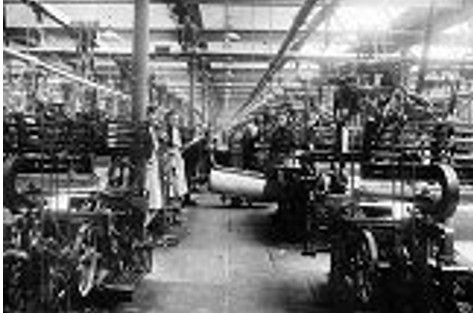
It was not until the construction of the Bourne Cotton Mill in 1853 that local employment was placed on a surer footing; the opening of the Paper Mill at Withnell Fold also provided regular work.
Throughout this time the notorious Brindle Workhouse provided a bleak refuge for the destitute of the Chorley Poor Law Union. Converted in 1734 from a Catholic chapel, it was used partly for “pauper lunatics” until 1816 and in 1857 it was stated to be “capable of housing about 200 persons exclusive of children at the breast”.
Leave a Reply